
2018-12-11 10:34:06 Tue ET
technology antitrust competition bilateral trade free trade fair trade trade agreement trade surplus trade deficit multilateralism neoliberalism world trade organization regulation public utility current account compliance

Several eminent American China-specialists champion the key notion of *strategic engagement* with the Xi administration. From the Hoover Institution at Stanford to the Asia Society Center on U.S.-China Relations, these specialists contribute to the collective wisdom of a comprehensive report on new U.S. precautions against Chinese efforts that might undermine democratic values. In promoting constructive vigilance to better balance Sino-American influences and interests, these pundits and experts urge U.S. government agencies, public organizations, think tanks, and other institutions to adopt more aggressive measures in order to prevent the risk of economic espionage by China.
The Chinese communist party-state now leverages a broad variety of party, state, and non-state agencies to advance its economic interests and influences. In recent years, the Xi administration has significantly accelerated its investments in critical tech inventions from Internet search and e-commerce to social media and artificial intelligence etc. China often uses its domestic companies to gain access to foreign critical infrastructure and technology.
The Xi administration has made U.S. corporate access to its massive mainland market almost conditional on strict compliance with mainland regulations that favor both domestic employment and technological diffusion. This strategic issue calls for serious socioeconomic consideration in light of the interim 90-day trade truce between China and America.
If any of our AYA Analytica financial health memos (FHM), blog posts, ebooks, newsletters, and notifications etc, or any other form of online content curation, involves potential copyright concerns, please feel free to contact us at service@ayafintech.network so that we can remove relevant content in response to any such request within a reasonable time frame.
2025-06-21 05:25:00 Saturday ET
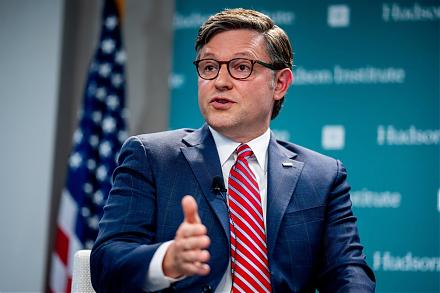
President Trump refreshes American fiscal fears, worries, and concerns through the One Big Beautiful Bill Act. The Congressional Budget Office (CBO) estimat
2018-01-03 08:38:00 Wednesday ET
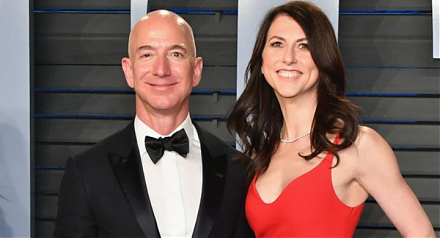
President Trump targets Amazon in his call for U.S. Postal Service to charge high delivery prices on the ecommerce giant. Trump picks another fight with an
2025-06-21 10:25:00 Saturday ET

Former New York Times science author and Harvard psychologist Daniel Goleman explains why emotional intelligence can serve as a more important critical succ
2019-11-26 11:30:00 Tuesday ET

AYA Analytica finbuzz podcast channel on YouTube November 2019 In this podcast, we discuss several topical issues as of November 2019: (1) The Trump adm
2018-03-23 08:26:00 Friday ET

Personal finance and investment author Thomas Corley studies and shares the rich habits of self-made millionaires. Corley has spent 5 years studying the dai
2019-05-13 12:38:00 Monday ET
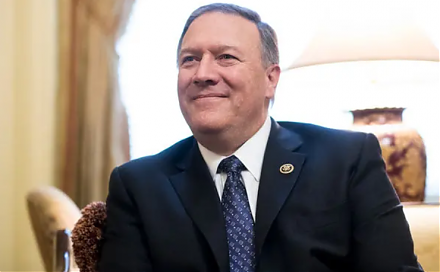
Brent crude oil prices spike to $70-$75 per barrel after the Trump administration stops waiving economic sanctions on Iranian oil exports. U.S. State Secret