
2019-05-17 15:24:00 Fri ET
trust perseverance resilience empathy compassion passion purpose vision mission life metaphors seamless integration critical success factors personal finance entrepreneur inspiration grit

A Harvard MBA graduate Camilo Maldonado shares several life lessons and wise insights into personal finance. People can leverage stock market investments and 401(k) and other individual retirement accounts to optimize their own net worth and wealth accumulation. Living within our means is a primary strength in the long run. It might be even better for us to live below our means with frugal habits. Instead of overspending on high rent and overhead expenditures, we should save enough to invest in blue-chip stocks with steady cash dividends and long-term capital gains.
Further, tax-sensitive investors should maintain a multi-year time horizon for wise stock investment decisions. In this light, long-run stock investors can exponentially compound multiple streams of passive income over many years. For instance, if the investor saves $100,000 to buy stocks with 11% average equity market return performance over 30 years, the eventual wealth accumulation amounts to almost 23 times the initial outlay (i.e. $2.29 million in total). It is therefore important for us to learn the fact that we cannot buy happiness sooner rather than later. On balance, we should invest patiently in our skill sets and money matters by learning to delay immediate gratification over time. Patience pays well.
If any of our AYA Analytica financial health memos (FHM), blog posts, ebooks, newsletters, and notifications etc, or any other form of online content curation, involves potential copyright concerns, please feel free to contact us at service@ayafintech.network so that we can remove relevant content in response to any such request within a reasonable time frame.
2019-06-29 17:30:00 Saturday ET

Nobel Laureate Joseph Stiglitz proposes the primary economic priorities in lieu of neoliberalism. Neoliberalism includes lower taxation, deregulation, socia
2022-03-25 09:34:00 Friday ET

Corporate cash management The empirical corporate finance literature suggests four primary motives for firms to hold cash. These motives include the tra
2026-05-02 10:28:00 Saturday ET
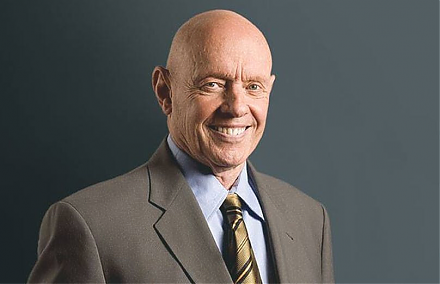
Stephen Covey recommends the 8th habit for effective team leaders to find their own voices (in addition to the 7 habits of highly effective people). In esse
2018-06-03 07:35:00 Sunday ET

Several recent events explain why Trump may undermine multilateral world order. First, Trump withdraws the U.S. from the 12-nation Trans-Pacific Partnership
2019-08-14 10:31:00 Wednesday ET
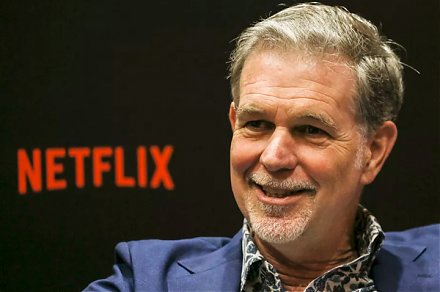
Netflix suffers its first major loss of U.S. subscribers due to the recent price hikes. The company adds only 2.7 million new subscribers in 2019Q2 in stark
2018-01-09 08:33:00 Tuesday ET

BlackRock CEO Larry Fink emphasizes his key conviction that public corporations should make a positive contribution to society apart from boosting the botto