
The Williams Companies, Inc. is a premier energy infrastructure provider in North America. The company's core operations include finding, producing, gathering, processing, and transportation of natural gas and natural gas liquids. Williams is one of the largest domestic transporters of natural gas by volume. Its facilities (gas wells, pipelines, and midstream services) are concentrated in the Northwest, Rocky Mountains, Gulf Coast, and Eastern Seaboard. Williams Companies currently reports results under five segments. These include Atlantic-Gulf, West, Northeast G&P, Sequent and Others....
+See MoreSharpe-Lintner-Black CAPM alpha (Premium Members Only) Fama-French (1993) 3-factor alpha (Premium Members Only) Fama-French-Carhart 4-factor alpha (Premium Members Only) Fama-French (2015) 5-factor alpha (Premium Members Only) Fama-French-Carhart 6-factor alpha (Premium Members Only) Dynamic conditional 6-factor alpha (Premium Members Only) Last update: Saturday 17 October 2026
2023-09-21 09:26:00 Thursday ET

Jordi Gali delves into the science of the New Keynesian monetary policy framework with economic output and inflation stabilization. Jordi Gali (2015)
2018-10-15 09:33:00 Monday ET
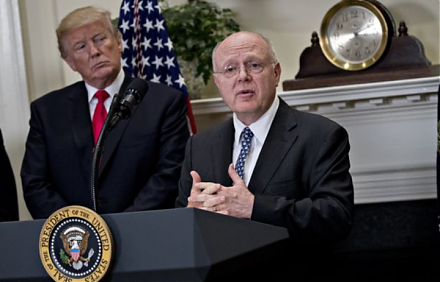
Several pharmaceutical companies now switch their primary focus from generic prescription drugs to medical specialties such as cardiovascular medications an
2020-05-14 12:35:00 Thursday ET

Disruptive innovators can better compete against luck by figuring out why customers hire products and services to accomplish jobs. Clayton Christensen, T
2025-09-13 12:23:00 Saturday ET

Stock Synopsis: With a new Python program, we use, adapt, apply, and leverage each of the mainstream Gemini Gen AI models to conduct this comprehensive fund
2022-09-15 11:38:00 Thursday ET

Capital structure choices for private firms The Kauffman Firm Survey (KFS) database provides comprehensive panel data on 5,000+ American private firms fr
2017-05-25 08:35:00 Thursday ET
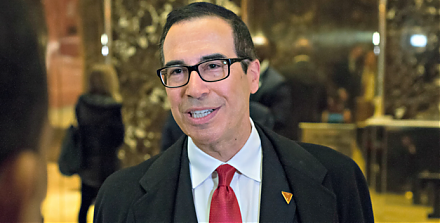
Treasury Secretary Steve Mnuchin has released a 147-page report on financial deregulation under the Trump administration. This financial deregulation seeks
 Reports
 Metrics
 Events
 AI Stock Synopses