
JOHN WILEY & SONS, INC. is a global publisher of print and electronic products, providing content and solutions to customers worldwide. The Company's core businesses produce professional and consumer books and subscription products; scientific, technical, medical and scholarly journals, encyclopedias, books, and online products; and textbooks and educational materials, including integrated online teaching and learning resources, for undergraduate and graduate students, teachers and lifelong learners. The Company's three core businesses develop and cross-market products to its diverse customer base of professionals, consumers, researchers, students, and educators....
+See MoreSharpe-Lintner-Black CAPM alpha (Premium Members Only) Fama-French (1993) 3-factor alpha (Premium Members Only) Fama-French-Carhart 4-factor alpha (Premium Members Only) Fama-French (2015) 5-factor alpha (Premium Members Only) Fama-French-Carhart 6-factor alpha (Premium Members Only) Dynamic conditional 6-factor alpha (Premium Members Only) Last update: Saturday 17 October 2026
2019-06-07 04:02:05 Friday ET
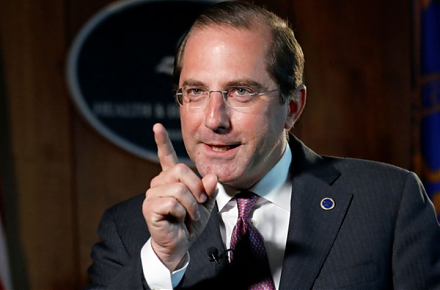
The world seeks to reduce medicine prices and other health care costs to better regulate big pharma. Nowadays the Trump administration requires pharmaceutic
2023-03-14 16:43:00 Tuesday ET

Several feasible near-term reforms can substantially narrow the scope for global tax avoidance by closing information loopholes. Thomas Pogge and Krishen
2019-10-05 07:27:00 Saturday ET
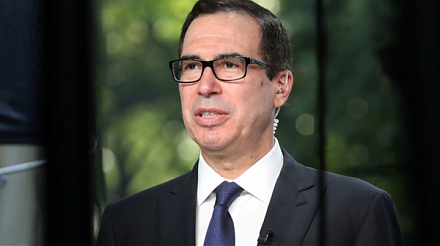
Treasury Secretary Steven Mnuchin indicates that there is a good conceptual trade agreement between China and the U.S. in regard to intellectual property pr
2018-05-09 08:31:00 Wednesday ET
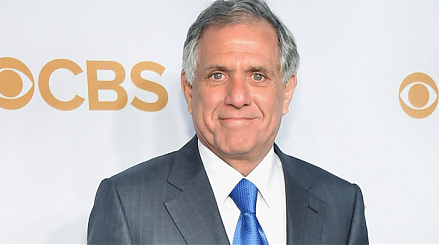
CBS and its special committee of independent directors have decided to sue the Redstone controlling shareholders because these directors might have breached
2025-02-02 11:28:00 Sunday ET
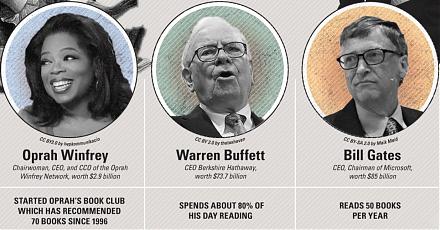
Our proprietary alpha investment model outperforms most stock market indexes from 2017 to 2025. Our proprietary alpha investment model outperforms the ma
2018-08-07 07:33:00 Tuesday ET
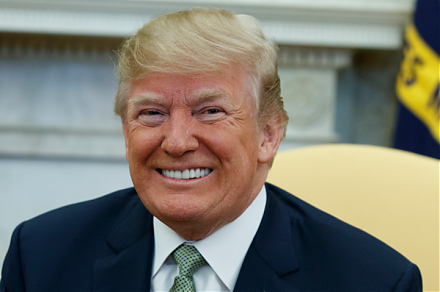
President Trump sounds smart when he comes up with a fresh plan to retire $15 trillion national debt. This plan entails taxing American consumers and produc
 Reports
 Metrics
 Events
 AI Stock Synopses