
Valero Energy Corporation is the largest independent refiner and marketer of petroleum products in the United States. It has refineries located throughout the United States, Canada and the United Kingdom. Moreover, Valero is a leading ethanol producer with ethanol plants in the Midwest. The products of the company are sold in the markets of the United States, Canada, the United Kingdom, Ireland and Latin America. The company's brand names are carried by outlets. The company organizes its business through three reportable segments, namely, Refining, Ethanol and Renewable Diesel....
+See MoreSharpe-Lintner-Black CAPM alpha (Premium Members Only) Fama-French (1993) 3-factor alpha (Premium Members Only) Fama-French-Carhart 4-factor alpha (Premium Members Only) Fama-French (2015) 5-factor alpha (Premium Members Only) Fama-French-Carhart 6-factor alpha (Premium Members Only) Dynamic conditional 6-factor alpha (Premium Members Only) Last update: Saturday 17 October 2026
2016-11-09 00:00:00 Wednesday ET
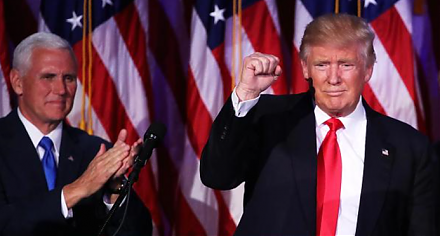
Universally dismissed as a vanity presidential candidate when he entered a field crowded with Republican talent, the former Democrat and former Independent
2020-04-03 09:28:00 Friday ET
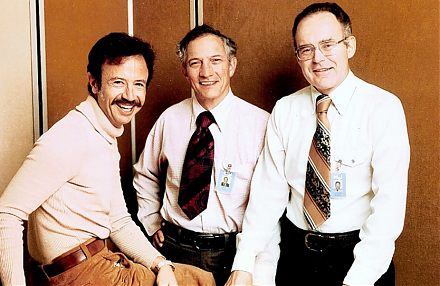
The Intel trinity of Robert Noyce, Gordon Moore, and Andy Grove establishes the primary semiconductor tech titan in Silicon Valley. Michael Malone (2014)
2019-01-17 10:41:00 Thursday ET
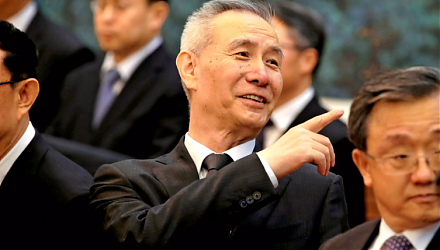
Sino-American trade talks make positive progress over 3 consecutive days as S&P 500 and global stock market indices post 3-day win streaks. Asian and Eu
2019-08-18 11:33:00 Sunday ET

House Judiciary Committee summons senior executive reps of the tech titans to assess online platforms and their market power. These companies are Facebook,
2025-09-13 12:23:00 Saturday ET

Stock Synopsis: With a new Python program, we use, adapt, apply, and leverage each of the mainstream Gemini Gen AI models to conduct this comprehensive fund
2020-05-28 15:37:00 Thursday ET
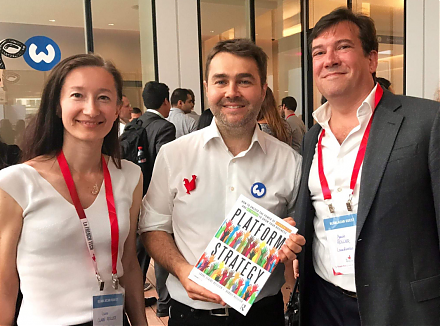
Platform enterprises leverage network effects, scale economies, and information cascades to boost exponential business growth. Laure Reillier and Benoit
 Reports
 Metrics
 Events
 AI Stock Synopses