
Safeguard Scientifics, Inc. is a diversified information technology company that develops, operates and manages emerging growth information technology companies. The company is currently focusing on emerging opportunities in eCommerce, enterprise applications, and network infrastructure, all of which are expected to benefit from the growing use of the Internet as a fundamental business tool. The company works closely with our partnership companies to provide numerous operational and management services to build value in preparation for public rights offerings and beyond....
+See MoreSharpe-Lintner-Black CAPM alpha (Premium Members Only) Fama-French (1993) 3-factor alpha (Premium Members Only) Fama-French-Carhart 4-factor alpha (Premium Members Only) Fama-French (2015) 5-factor alpha (Premium Members Only) Fama-French-Carhart 6-factor alpha (Premium Members Only) Dynamic conditional 6-factor alpha (Premium Members Only) Last update: Saturday 17 October 2026
2018-09-09 13:42:00 Sunday ET
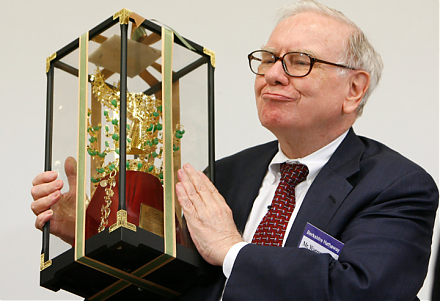
Warren Buffett shares his key insights into life, success, money, and interpersonal communication. Institutional money managers and retail investors ca
2024-07-31 09:28:00 Wednesday ET
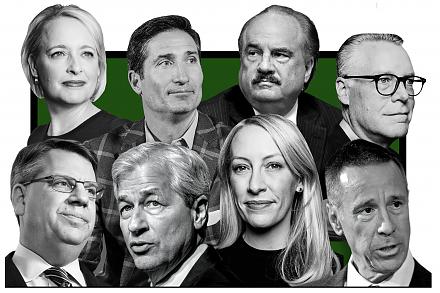
In the modern monetary system, each new CBDC helps anchor public trust in money in support of economic welfare, especially in a cashless society. In our
2025-06-05 00:00:00 Thursday ET
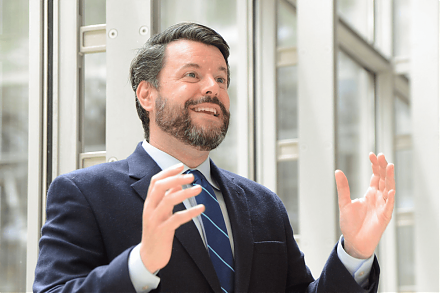
Former New York Times team journalist and Pulitzer Prize winner Charles Duhigg describes, discusses, and delves into how we can change our respective lives
2027-10-31 00:00:00 Sunday ET
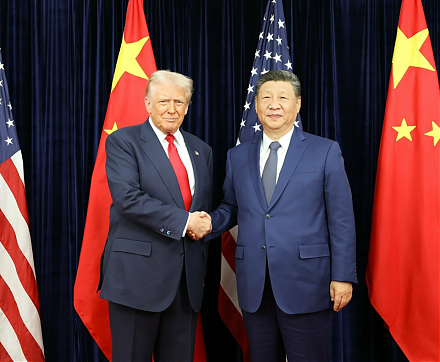
In the technological race between the U.S. and China, America leads in some strategic sectors from AI large language models (LLM), graphics processing units
2019-07-27 17:37:00 Saturday ET
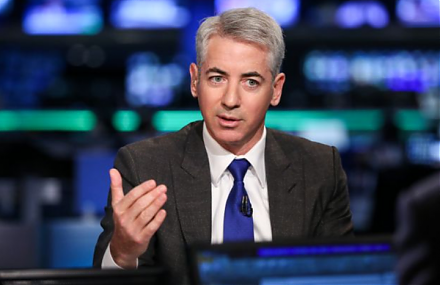
Capital gravitates toward key profitable mutual funds until the marginal asset return equilibrates near the core stock market benchmark. As Stanford finance
2018-03-05 07:34:00 Monday ET
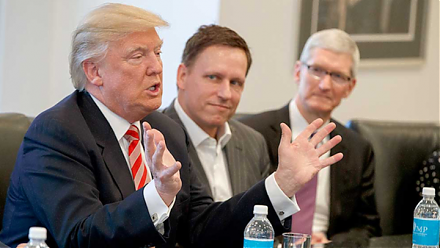
Peter Thiel shares his money views of President Trump, Facebook, Bitcoin, global finance, and trade etc. As an early technology adopter, Thiel invests in Fa
 Reports
 Metrics
 Events
 AI Stock Synopses