Starbucks is a roaster, marketer and retailer of specialty coffee. They purchase and roast coffees that they sell, along with handcrafted coffee, tea, and other beverages and a variety of food items through company-operated stores. They also sell a variety of coffee and tea products and license their trademarks through other channels, such as licensed stores as well as grocery and foodservice through their Global Coffee Alliance with Nestl' S.A. In addition to their flagship Starbucks Coffee(R) brand, they sell goods and services under the following brands: Teavana(R), Ethos(R), and Starbucks Reserve(R)....
+See MoreSharpe-Lintner-Black CAPM alpha (Premium Members Only) Fama-French (1993) 3-factor alpha (Premium Members Only) Fama-French-Carhart 4-factor alpha (Premium Members Only) Fama-French (2015) 5-factor alpha (Premium Members Only) Fama-French-Carhart 6-factor alpha (Premium Members Only) Dynamic conditional 6-factor alpha (Premium Members Only) Last update: Saturday 17 October 2026
2019-04-19 12:35:00 Friday ET
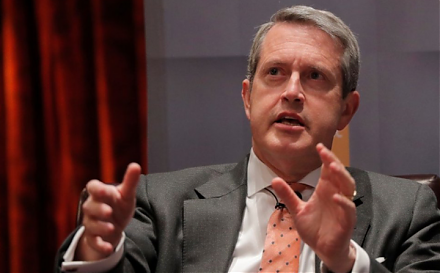
Federal Reserve proposes to revamp post-crisis rules for U.S. banks. The current proposals would prescribe materially less strict requirements for community
2019-01-23 11:32:00 Wednesday ET
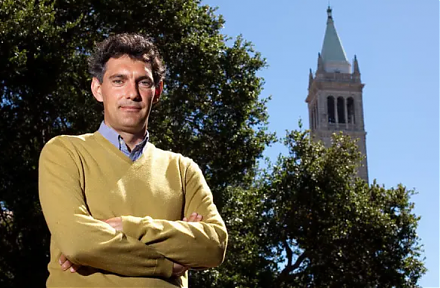
Higher public debt levels, global interest rate hikes, and subpar Chinese economic growth rates are the major risks to the world economy from 2019 to 2020.
2023-06-07 10:27:00 Wednesday ET
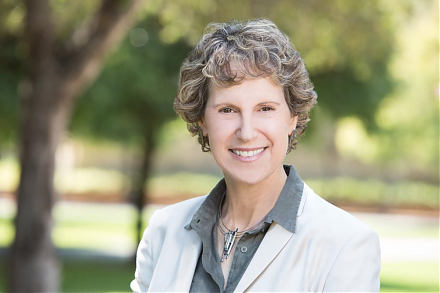
Anat Admati and Martin Hellwig raise broad critical issues about bank capital regulation and asset market stabilization. Anat Admati and Martin Hellwig (
2019-11-13 11:34:00 Wednesday ET
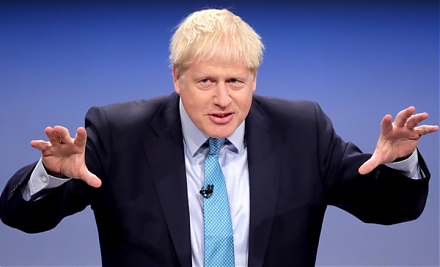
The new Brexit deal can boost British pound appreciation and economic optimism. British prime minister Boris Johnson wins the parliamentary vote on his new
2018-10-03 11:37:00 Wednesday ET
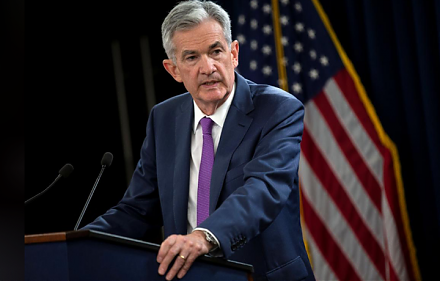
Fed Chair Jerome Powell sees a remarkably positive outlook for the U.S. economy right after the recent interest rate hike as of September 2018. He humbly su
2025-08-09 11:31:00 Saturday ET
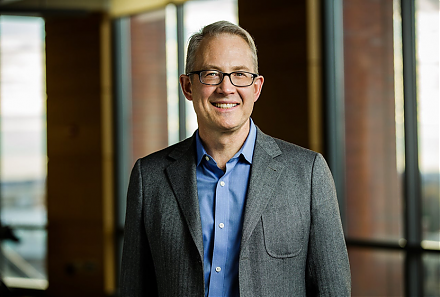
Wharton e-commerce entrepreneurship professor Dr Karl Ulrich explains that many top-notch universities now provide massive open online courses (MOOCs) for m
 Reports
 Metrics
 Events
 AI Stock Synopses