MetLife, Inc. is an insurance-based global financial services company providing protection and investment products to a range of individual and institutional customers. In addition to offering individual annuity, insurance, and investment products, the company provides group insurance, retirement and savings products, and services. MetLife is organized into five segments: U.S.; Asia; Latin America; Europe, the Middle East and Africa ('EMEA'); and MetLife Holdings. The U.S. segment offers a broad range of protection products and services aimed at serving the financial needs of customers throughout their lives....
+See MoreSharpe-Lintner-Black CAPM alpha (Premium Members Only) Fama-French (1993) 3-factor alpha (Premium Members Only) Fama-French-Carhart 4-factor alpha (Premium Members Only) Fama-French (2015) 5-factor alpha (Premium Members Only) Fama-French-Carhart 6-factor alpha (Premium Members Only) Dynamic conditional 6-factor alpha (Premium Members Only) Last update: Saturday 17 October 2026
2018-10-23 12:36:00 Tuesday ET
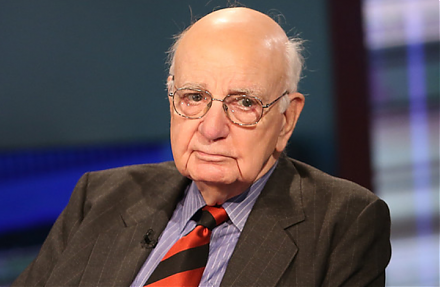
Former Fed Chair Paul Volcker releases his memoir, talks about American public governance, and worries about plutocracy in America. Volcker suggests that pu
2019-01-31 08:40:00 Thursday ET

We offer a free ebook on the latest stock market news, economic trends, and investment memes as of January 2019: https://www.dropbox.com/s/4d8z
2019-11-23 08:33:00 Saturday ET

MIT financial economist Simon Johnson rethinks capitalism with better key market incentives. Johnson refers to the recent Business Roundtable CEO statement
2025-09-13 12:23:00 Saturday ET

Stock Synopsis: With a new Python program, we use, adapt, apply, and leverage each of the mainstream Gemini Gen AI models to conduct this comprehensive fund
2018-07-27 10:35:00 Friday ET

Admitting China to the World Trade Organization (WTO) and other international activities seems ineffective in imparting economic freedom and democracy to th
2018-10-25 10:36:00 Thursday ET

Trump tariffs begin to bite U.S. corporate profits from Ford and Harley-Davidson to Caterpillar and Walmart etc. U.S. corporate profit growth remains high a
 Reports
 Metrics
 Events
 AI Stock Synopses