
Copa Holdings, through its main subsidiaries Copa Airlines and Copa Colombia, offers airline passenger and cargo services. On a daily basis, the company currently operates scheduled flights and flies to destinations covering countries in North, Central, South America and the Caribbean from its Panama City hub. Passengers of the carrier also have access to flights serving many more destinations, courtesy of its code-share arrangements with United Airlines among other carriers. The company launched its own frequent flyer program in a bid to boost its relationship with customers. The move followed its decision to stop co-branding the MileagePlus frequent flyer program in Latin America. Copa Holdings is constantly looking to modernize its fleet. The planes are equipped with modern facilities aimed at promoting safety, enhancing flying experience etc. Moving ahead, the company aims to increase its fleet size....
+See MoreSharpe-Lintner-Black CAPM alpha (Premium Members Only) Fama-French (1993) 3-factor alpha (Premium Members Only) Fama-French-Carhart 4-factor alpha (Premium Members Only) Fama-French (2015) 5-factor alpha (Premium Members Only) Fama-French-Carhart 6-factor alpha (Premium Members Only) Dynamic conditional 6-factor alpha (Premium Members Only) Last update: Saturday 17 October 2026
2019-08-10 21:44:00 Saturday ET

McKinsey Global Institute analyzes 315 U.S. cities and 3,000 counties in terms of how tech automation affects their workers in the next 5 to 10 years. This
2017-12-19 09:39:00 Tuesday ET
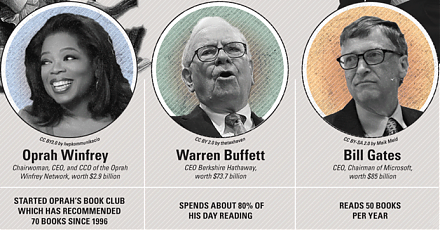
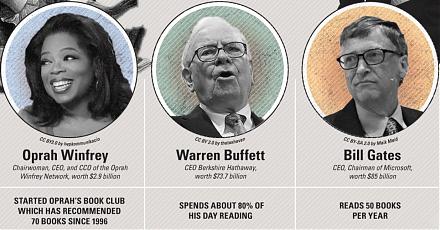
From Oprah Winfrey to Bill Gates, this infographic visualization summarizes the key habits and investment styles of highly successful entrepreneurs:
2018-07-13 09:41:00 Friday ET
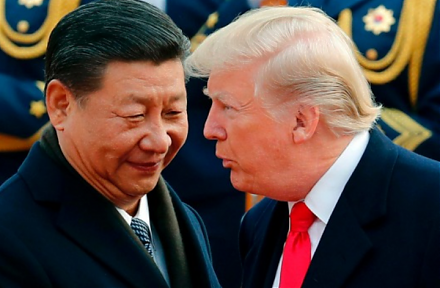
Yale economist Stephen Roach warns that America has much to lose from the current trade war with China for a few reasons. First, America is highly dependent
2019-03-19 12:35:00 Tuesday ET
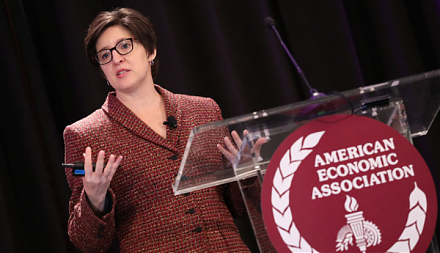
U.S. tech titans increasingly hire PhD economists to help solve business problems. These key tech titans include Facebook, Amazon, Microsoft, Google, Apple,
2025-02-02 11:28:00 Sunday ET
Our proprietary alpha investment model outperforms most stock market indexes from 2017 to 2025. Our proprietary alpha investment model outperforms the ma
2017-03-21 09:37:00 Tuesday ET
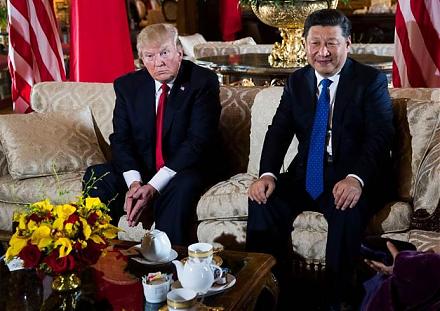
Trump and Xi meet in the most important summit on earth this year. Trump has promised to retaliate against China's currency misalignment, steel trade
 Reports
 Metrics
 Events
 AI Stock Synopses