
CEVA is the leading licensor of signal processing IP for a smarter, connected world. They partner with semiconductor companies and OEMs worldwide to create power-efficient, intelligent and connected devices for a range of end markets, including mobile, consumer, automotive, industrial and IoT. Their ultra-low-power IPs for vision, audio, communications and connectivity include comprehensive DSP-based platforms for LTE/LTE-A/5G baseband processing in handsets, infrastructure and machine-to-machine devices, advanced imaging, computer vision and deep learning for any camera-enabled device, audio/voice/speech and ultra-low power always-on/sensing applications for multiple IoT markets....
+See MoreSharpe-Lintner-Black CAPM alpha (Premium Members Only) Fama-French (1993) 3-factor alpha (Premium Members Only) Fama-French-Carhart 4-factor alpha (Premium Members Only) Fama-French (2015) 5-factor alpha (Premium Members Only) Fama-French-Carhart 6-factor alpha (Premium Members Only) Dynamic conditional 6-factor alpha (Premium Members Only) Last update: Saturday 17 October 2026
2019-09-11 09:31:00 Wednesday ET

Central banks in India, Thailand, and New Zealand lower their interest rates in a defensive response to the Federal Reserve recent rate cut. The central ban
2018-11-23 09:39:00 Friday ET
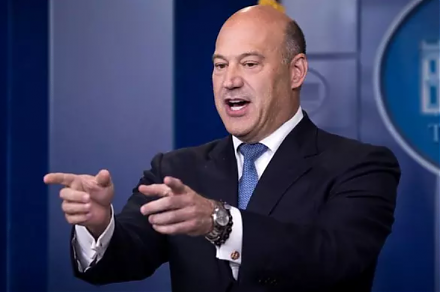
Former White House chief economic advisor Gary Cohn points out that there is no instant cure for the Sino-U.S. trade dilemma. After the U.S. midterm electio
2023-07-07 10:29:00 Friday ET
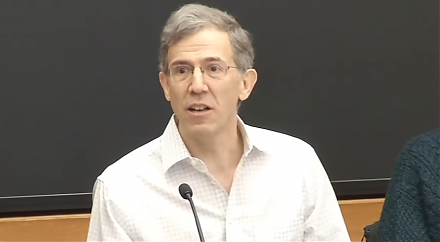
Louis Kaplow strives to find a delicate balance between efficiency gains and redistributive taxes in the social welfare function. Louis Kaplow (2010)
2023-05-07 10:27:00 Sunday ET
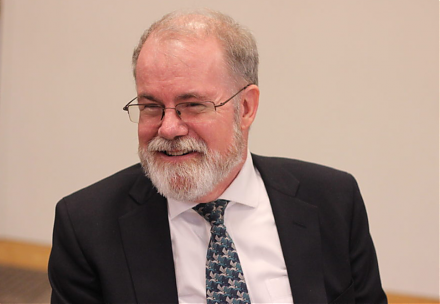
William Easterly critiques several economic development policies and then indicates that bottom-up solutions often result in macro policy success in spite o
2025-01-31 09:26:00 Friday ET
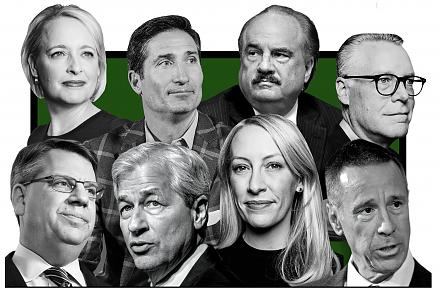
The current homeland industrial policy stance worldwide seeks to embed the new notion of global resilience into economic statecraft. In the broader cont
2018-07-13 09:41:00 Friday ET
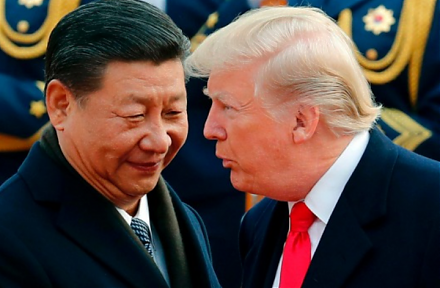
Yale economist Stephen Roach warns that America has much to lose from the current trade war with China for a few reasons. First, America is highly dependent
 Reports
 Metrics
 Events
 AI Stock Synopses