
Compa''a Cervecer'as Unidas S. A. (CCU) has successfully positioned itself as a Chilean multinational beverage company, with diversified businesses and operations focused on the Southern Cone of South America. CCU is active in the beer industry in Chile, where it operates the country's leading brewery, and in Argentina, where it holds third place in the market. In the non-alcoholic beverages sector, it is Chile's second-largest bottler of carbonated beverages and the leader in the mineral water market. It has winemaking operations in Argentina and in Chile....
+See MoreSharpe-Lintner-Black CAPM alpha (Premium Members Only) Fama-French (1993) 3-factor alpha (Premium Members Only) Fama-French-Carhart 4-factor alpha (Premium Members Only) Fama-French (2015) 5-factor alpha (Premium Members Only) Fama-French-Carhart 6-factor alpha (Premium Members Only) Dynamic conditional 6-factor alpha (Premium Members Only) Last update: Saturday 17 October 2026
2020-08-26 10:33:00 Wednesday ET

Through purposeful leadership, senior managers inspire teams to reach heights of both innovation and profitability with great brand identity and customer lo
2024-05-27 03:23:34 Monday ET

Stock Synopsis: Life insurers emphasize profit margins over sales growth rates. We review and analyze the recent market share data in the U.S. life insur
2018-04-20 10:38:00 Friday ET
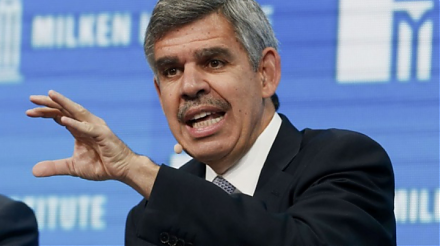
Allianz chairman Mohamed El-Erian bolsters a new American economic paradigm in lieu of the Washington consensus. The latter dominates the old school of thou
2027-07-31 13:25:00 Saturday ET
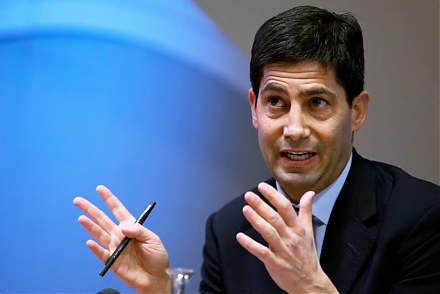
In the broader context of stablecoins for asset tokenization worldwide, many governments now seek to enter the global markets for stablecoins and other U.S.
2020-02-02 10:31:00 Sunday ET

Our proprietary alpha investment model outperforms the major stock market benchmarks such as S&P 500, MSCI, Dow Jones, and Nasdaq. We implement
2018-07-13 09:41:00 Friday ET
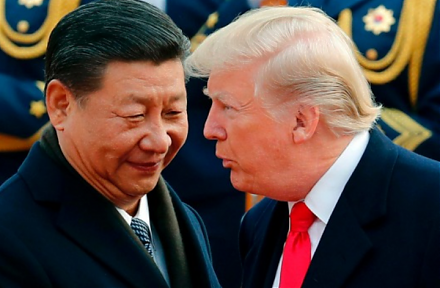
Yale economist Stephen Roach warns that America has much to lose from the current trade war with China for a few reasons. First, America is highly dependent
 Reports
 Metrics
 Events
 AI Stock Synopses