
BIO-key develops and licenses advanced biometric finger identification software products that are cost effective, scalable and easy to deploy. BIO-key's capabilities, such as preventing false identities through alias checks and hardware independence, are very unique to the biometric market place and represent a significant advancement over other biometrics. Product offerings are reflective of BIO-keys' leadership position in the biometric finger identification market and their commitment to the innovation of identification technology tools....
+See MoreSharpe-Lintner-Black CAPM alpha (Premium Members Only) Fama-French (1993) 3-factor alpha (Premium Members Only) Fama-French-Carhart 4-factor alpha (Premium Members Only) Fama-French (2015) 5-factor alpha (Premium Members Only) Fama-French-Carhart 6-factor alpha (Premium Members Only) Dynamic conditional 6-factor alpha (Premium Members Only) Last update: Saturday 17 October 2026
2018-10-25 10:36:00 Thursday ET
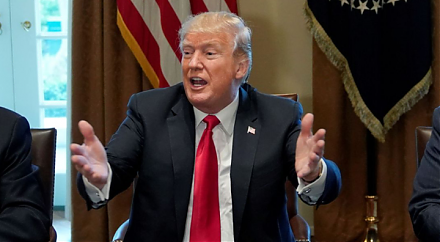
Trump tariffs begin to bite U.S. corporate profits from Ford and Harley-Davidson to Caterpillar and Walmart etc. U.S. corporate profit growth remains high a
2019-08-16 17:37:00 Friday ET
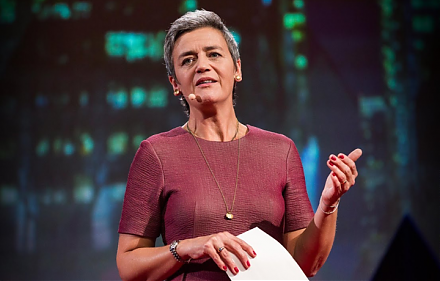
Amazon faces E.U. antitrust scrutiny over the current e-commerce use of merchant data. The European Commission probes into whether Amazon uses key third-par
2019-09-21 09:25:00 Saturday ET
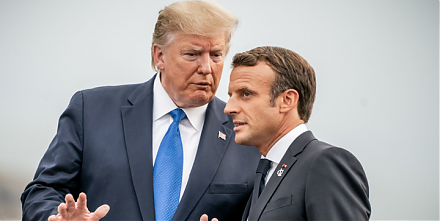
President Trump praises great unity and progress at the G7 summit with respect to Sino-U.S. trade conflict resolution, global climate change, containment fo
2017-04-01 06:40:00 Saturday ET
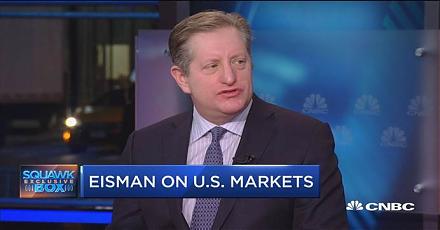
With the current interest rate hike, large banks and insurance companies are likely to benefit from higher equity risk premiums and interest rate spreads.
2019-05-02 13:30:00 Thursday ET

Netflix has an unsustainable business model in the meantime. Netflix maintains a small premium membership fee of $9-$14 per month for its unique collection
2024-07-31 09:28:00 Wednesday ET
In the modern monetary system, each new CBDC helps anchor public trust in money in support of economic welfare, especially in a cashless society. In our
 Reports
 Metrics
 Events
 AI Stock Synopses