Bright Horizons Family Solutions Inc. is engaged in providing employer-sponsored child care, early education and work/life solutions. Its employer-sponsored child care programs include child care and early education centers, infant/toddler/preschool care and education, full and part-time child care, kindergarten, school-age programs, summer camps and back-up care. Bright Horizons manages child care centers for corporations, hospitals, universities and government agencies The Company operates primarily in North America, Europe and India. Bright Horizons Family Solutions Inc. is based in Watertown, Massachusetts....
+See MoreSharpe-Lintner-Black CAPM alpha (Premium Members Only) Fama-French (1993) 3-factor alpha (Premium Members Only) Fama-French-Carhart 4-factor alpha (Premium Members Only) Fama-French (2015) 5-factor alpha (Premium Members Only) Fama-French-Carhart 6-factor alpha (Premium Members Only) Dynamic conditional 6-factor alpha (Premium Members Only) Last update: Saturday 17 October 2026
2017-06-09 06:37:00 Friday ET

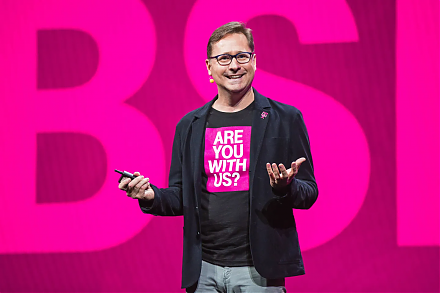
To complement President Trump's pro-business economic policies such as low taxation, new infrastructure, greater job creation, and technological in
2025-10-06 10:27:00 Monday ET
Stock Synopsis: With a new Python program, we use, adapt, apply, and leverage each of the mainstream Gemini Gen AI models to conduct this comprehensive fund
2019-03-21 12:33:00 Thursday ET
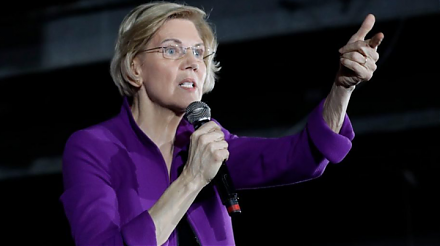
Senator Elizabeth Warren proposes breaking up key tech titans such as Facebook, Apple, Microsoft, Google, and Amazon (FAMGA). These tech titans have become
2019-04-03 11:35:00 Wednesday ET

A Florida fintech group Fidelity Information Services initiates the largest $43 billion acquisition of the e-commerce payments processor Worldpay. Fidelity
2019-12-07 11:30:00 Saturday ET

China turns on its 5G telecom networks in the hot pursuit of global tech supremacy. China Telecom, China Unicom, and China Mobile disclose 5G fees of $18-$2
2019-04-26 09:33:00 Friday ET

JPMorgan Chase CEO Jamie Dimon defends capitalism in his recent annual letter to shareholders. As Dimon explains here, socialism inevitably produces stagnat
 Reports
 Metrics
 Events
 AI Stock Synopses