
Atossa Therapeutics Inc. is a clinical-stage biopharmaceutical company develops medicines in areas of significant unmet medical need in oncology principally in the United States. Its lead drug candidate is oral (Z)-endoxifen. Atossa Therapeutics Inc., formerly known as Atossa Genetics Inc., is based in Seattle, Washington....
+See MoreSharpe-Lintner-Black CAPM alpha (Premium Members Only) Fama-French (1993) 3-factor alpha (Premium Members Only) Fama-French-Carhart 4-factor alpha (Premium Members Only) Fama-French (2015) 5-factor alpha (Premium Members Only) Fama-French-Carhart 6-factor alpha (Premium Members Only) Dynamic conditional 6-factor alpha (Premium Members Only) Last update: Saturday 17 October 2026
2018-12-21 11:39:00 Friday ET
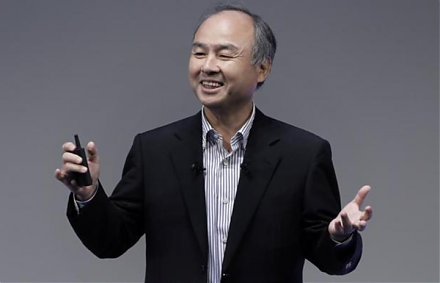
The Internet and telecom conglomerate SoftBank Group raises $23 billion in the biggest IPO in Japan. Going public is part of the major corporate move away f
2018-04-11 09:37:00 Wednesday ET

North Korean leader and president Kim Jong-Un seeks peaceful resolution and denuclearization on the Korean Peninsula. When *peace* comes to shove, Asia
2018-05-13 08:33:00 Sunday ET

Incoming New York Fed President John Williams suggests that it is about time to end forward guidance in order to stop holding the financial market's han
2019-01-08 17:46:00 Tuesday ET

President Trump forces the Federal Reserve to normalize the current interest rate hike to signal its own monetary policy independence from the White House.
2020-11-24 09:30:00 Tuesday ET

Many analytic business competitors can apply smart data science to support their distinctive capabilities and strategic advantages. Thomas Davenport and
2025-07-12 11:35:00 Saturday ET

Mitch Anthony explains why it is now more important for top sales leaders to apply social skills and emotional competences to fulfill customer needs, wants,
 Reports
 Metrics
 Events
 AI Stock Synopses