
ArQule, Inc., a biopharmaceutical company, researches and develops therapeutics for the treatment of cancer and rare diseases in the United States. The company's pipeline includes ARQ 531, an orally bioavailable, potent and reversible dual inhibitor of wild type and C481S-mutant Bruton's tyrosine kinase that is in Phase I trial for patients with B-cell malignancies refractory to other therapeutic options; and miransertib (ARQ 092), a potent and selective inhibitor of the protein kinase B (AKT), a serine/threonine kinase, which is in Phase Ib in combination with the hormonal therapy and anastrozole in patients with advanced endometrial cancer. Its pipeline also comprises ARQ 75, a potent and selective inhibitor of AKT that is in Phase I clinical development for solid tumors harboring AKT, phosphoinositide 3-kinase or phosphatase, and tensin homolog loss mutations. In addition, the company's pipeline includes Derazantinib (ARQ 087), a multi-kinase inhibitor designed to preferentially inhibit the fibroblast growth factor receptor (FGFR) family of kinases that is in a registrational clinical trial in intrahepatic cholangiocarcinoma in patients with FGFR2 fusions. ArQule, Inc. has license agreements with Basilea Pharmaceutica Limited and Roivant Sciences Ltd. The company was founded in 1993 and is headquartered in Burlington, Massachusetts....
+See MoreSharpe-Lintner-Black CAPM alpha (Premium Members Only) Fama-French (1993) 3-factor alpha (Premium Members Only) Fama-French-Carhart 4-factor alpha (Premium Members Only) Fama-French (2015) 5-factor alpha (Premium Members Only) Fama-French-Carhart 6-factor alpha (Premium Members Only) Dynamic conditional 6-factor alpha (Premium Members Only) Last update: Saturday 17 October 2026
2022-05-15 10:29:00 Sunday ET

Innovative investment theory and practice Corporate investment can be in the form of real tangible investment or intangible investment. The former conce
2022-03-15 10:32:00 Tuesday ET

Capital structure theory and practice The genesis of modern capital structure theory traces back to the seminal work of Modigliani and Miller (1958
2019-05-03 11:29:00 Friday ET
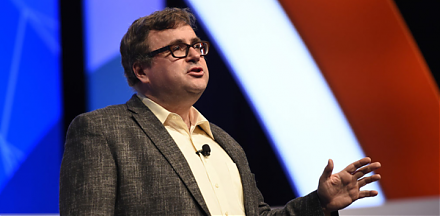
Key tech unicorns blitzscale business niches for better scale economies from Uber and Lyft to Pinterest, Slack, and Zoom. LinkedIn cofounder and serial entr
2018-03-01 07:35:00 Thursday ET
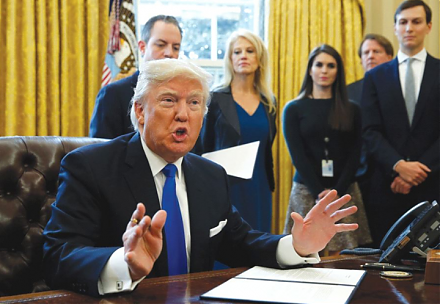
Trump imposes high tariffs on steel (25%) and aluminum (10%) in a new trade war with subsequent exemptions for Canada and Mexico. The Trump administration&#
2019-02-07 07:25:00 Thursday ET
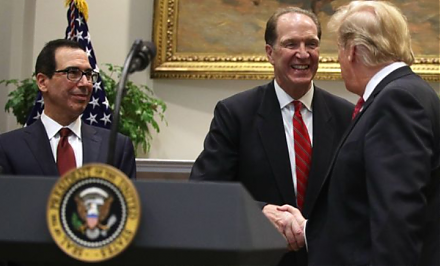
President Trump picks David Malpass to run the World Bank to curb international multilateralism. The Trump administration seems to prefer bilateral negotiat
2019-10-31 13:38:00 Thursday ET
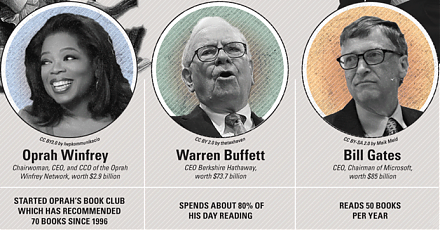
AYA Analytica finbuzz podcast channel on YouTube October 2019 In this podcast, we discuss several topical issues as of October 2019: (1)
 Reports
 Metrics
 Events
 AI Stock Synopses