
Anika Therapeutics, Inc. is a global, integrated orthopedic medicines company based in Bedford, Massachusetts. Anika is committed to improving the lives of patients with degenerative orthopedic diseases and traumatic conditions with clinically meaningful therapies along the continuum of care, from palliative pain management to regenerative cartilage repair. Anika's orthopedic medicine portfolio includes ORTHOVISC, MONOVISC, and CINGAL, which alleviate pain and restore joint function by replenishing depleted HA, and HYALOFAST, a solid HA-based scaffold to aid cartilage repair and regeneration....
+See MoreSharpe-Lintner-Black CAPM alpha (Premium Members Only) Fama-French (1993) 3-factor alpha (Premium Members Only) Fama-French-Carhart 4-factor alpha (Premium Members Only) Fama-French (2015) 5-factor alpha (Premium Members Only) Fama-French-Carhart 6-factor alpha (Premium Members Only) Dynamic conditional 6-factor alpha (Premium Members Only) Last update: Saturday 17 October 2026
2018-05-23 09:41:00 Wednesday ET
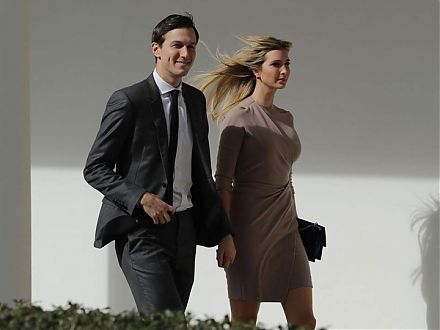
Many U.S. large public corporations spend their tax cuts on new dividend payout and share buyback but not on new job creation and R&D innovation. These
2027-01-31 12:25:00 Sunday ET

In recent decades, many governments have chosen to run high fiscal deficits on top of sovereign debt mountains so that greater government intervention still
2021-08-01 07:26:00 Sunday ET
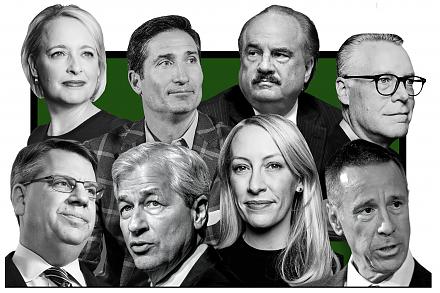
The Biden administration launches economic reforms in fiscal and monetary stimulus, global trade, finance, and technology. President Joe Biden proposes s
2019-07-01 12:35:00 Monday ET

Apple releases the new iOS 13 smartphone features. These features include Dark Mode, Audio Share, Memoji, better privacy protection, smart photo collection,
2018-07-01 08:34:00 Sunday ET
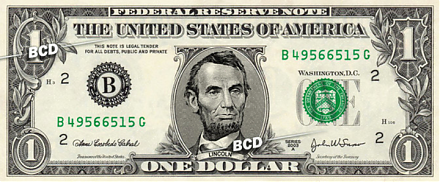
Are China and Russia etc gonna dethrone the petrodollar? Over the years, China, Russia, France, Germany, and Japan have made numerous attempts to use their
2018-06-09 16:40:00 Saturday ET
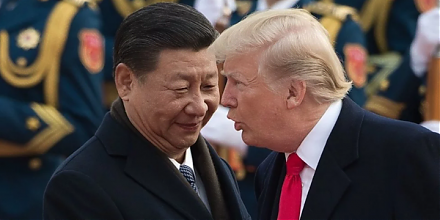
The Trump administration introduces new tariffs on $50 billion Chinese goods amid the persistent bilateral trade dispute. The tariffs effectively boost cost
 Reports
 Metrics
 Events
 AI Stock Synopses