
Amazon.com is one of the largest e-commerce providers, with sprawling operations spreading across the globe. Its online retail business revolves around the Prime program well-supported by the company's massive distribution network. Further, the Whole Foods Market acquisition helped Amazon establish footprint in physical grocery supermarket space. Amazon also enjoys dominant position in the cloud-computing market, particularly in the Infrastructure as a Service space, thanks to Amazon Web Services, which is one of its high-margin generating businesses. Amazon has also become a household name with its Alexa powered Echo devices. Artificial Intelligence backed Alexa is helping the company sell products and services. The company reports revenue under three broad heads'North America, International and AWS, respectively. Amazon targets three categories of customers - consumers, sellers and website developers....
+See MoreSharpe-Lintner-Black CAPM alpha (2.72%) Fama-French (1993) 3-factor alpha (3.48%) Fama-French-Carhart 4-factor alpha (4.34%) Fama-French (2015) 5-factor alpha (5.59%) Fama-French-Carhart 6-factor alpha (6.39%) Dynamic conditional 6-factor alpha (10.98%) Last update: Saturday 17 October 2026
2023-10-28 12:29:00 Saturday ET

Paul Morland suggests that demographic changes lead to modern economic growth in the current world. Paul Morland (2019) The human tide: how
2017-07-07 10:33:00 Friday ET
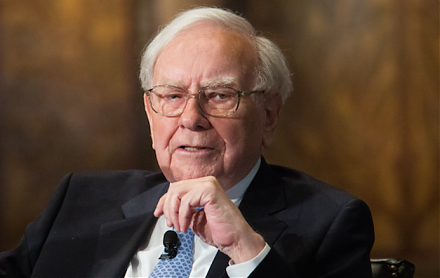
Warren Buffett invests in American stocks across numerous industries such as energy, air transport, finance, technology, retail provision, and so forth.
2027-01-31 12:25:00 Sunday ET

In recent decades, many governments have chosen to run high fiscal deficits on top of sovereign debt mountains so that greater government intervention still
2019-05-05 10:34:00 Sunday ET
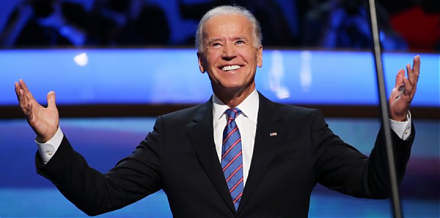
Former Vice President Joe Biden enters the next U.S. presidential race with many moderate-to-progressive policy proposals. At the age of 76, Biden stands ou
2018-10-09 08:40:00 Tuesday ET

The International Monetary Fund (IMF) appoints Harvard professor Gita Gopinath as its chief economist. Gopinath follows her PhD advisor and trailblazer Kenn
2019-09-21 09:25:00 Saturday ET
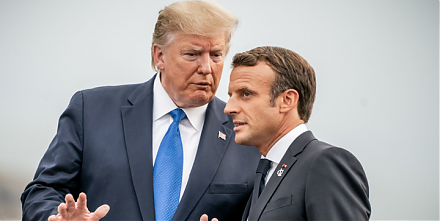
President Trump praises great unity and progress at the G7 summit with respect to Sino-U.S. trade conflict resolution, global climate change, containment fo
 Reports
 Metrics
 Events
 AI Stock Synopses