
American Midstream Partners, LP, incorporated on August 20, 2009, owns, operates, develops and acquires a portfolio of midstream energy assets. The Company provides midstream infrastructure that links producers of natural gas, crude oil, natural gas liquids (NGLs), condensate and specialty chemicals to numerous intermediate and end-use markets. Its segments include gathering and processing, transmission and terminals. Through its segments, it is engaged in the business of gathering, treating, processing, and transporting natural gas; gathering, transporting, storing, treating and fractionating NGLs; gathering, storing and transporting crude oil and condensates, and storing specialty chemical products. Its primary assets are located in some of the prolific onshore and offshore producing regions and various markets in the United States. Its gathering and processing assets are primarily located in the Permian Basin of West Texas; the Cotton Valley/Haynesville Shale of East Texas; the Eagle Ford Shale of South Texas; the Bakken Shale of North Dakota, and offshore in the Gulf of Mexico. Its transmission and terminal assets are located in various markets in North Texas, Louisiana, Mississippi and Tennessee. ...
+See MoreSharpe-Lintner-Black CAPM alpha (Premium Members Only) Fama-French (1993) 3-factor alpha (Premium Members Only) Fama-French-Carhart 4-factor alpha (Premium Members Only) Fama-French (2015) 5-factor alpha (Premium Members Only) Fama-French-Carhart 6-factor alpha (Premium Members Only) Dynamic conditional 6-factor alpha (Premium Members Only) Last update: Saturday 17 October 2026
2020-03-19 13:39:00 Thursday ET

The business legacy and sensitivity of Steve Jobs can transform smart mobile devices with Internet connectivity, music and video content curation, and digit
2026-10-31 12:38:00 Saturday ET

Today tech titans and billionaires continue to reshape global pharmaceutical investments for both better healthspan and longer lifespan. We discuss, desc
2019-02-07 07:25:00 Thursday ET
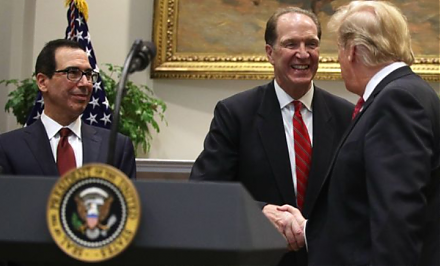
President Trump picks David Malpass to run the World Bank to curb international multilateralism. The Trump administration seems to prefer bilateral negotiat
2018-06-02 09:35:00 Saturday ET
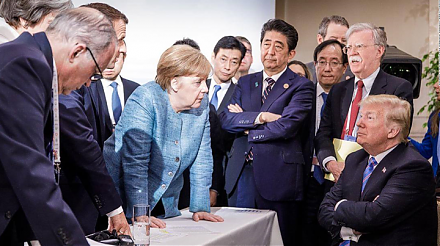
The finance ministers of Britain, Canada, France, Germany, Italy, and Japan team up against U.S. President Donald Trump and Treasury Secretary Steven Mnuchi
2018-05-01 11:38:00 Tuesday ET
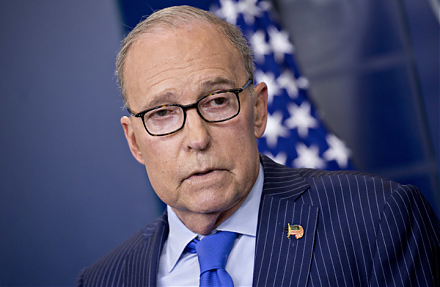
America and China play the game of chicken over trade and technology, whereas, most market observers and economic media commentators hope the Trump team to
2020-08-26 10:33:00 Wednesday ET

Through purposeful leadership, senior managers inspire teams to reach heights of both innovation and profitability with great brand identity and customer lo
 Reports
 Metrics
 Events
 AI Stock Synopses