
Ashford Inc. is a provider of asset management and other services to companies within the hospitality industry. It is focused on managing real estate, hospitality, and securities platforms. The Company serves as the advisor to two real estate investment trusts, namely Ashford Hospitality Trust (`Ashford Trust`) and Ashford Hospitality Prime (`Ashford Prime`). Ashford Trust is focused on investing in the hospitality industry primarily within the United States. Ashford Prime invests in high RevPAR full-service and urban select-service hotels and resorts. Ashford Inc. is based in Dallas, Texas....
+See MoreSharpe-Lintner-Black CAPM alpha (Premium Members Only) Fama-French (1993) 3-factor alpha (Premium Members Only) Fama-French-Carhart 4-factor alpha (Premium Members Only) Fama-French (2015) 5-factor alpha (Premium Members Only) Fama-French-Carhart 6-factor alpha (Premium Members Only) Dynamic conditional 6-factor alpha (Premium Members Only) Last update: Saturday 17 October 2026
2020-09-03 10:26:00 Thursday ET
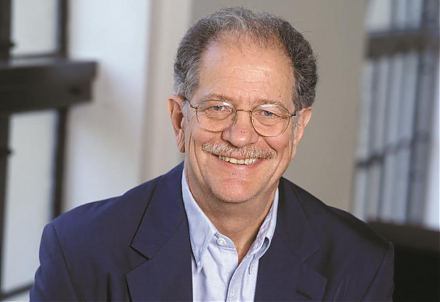
Agile business firms beat the odds by building faster institutional reflexes to anticipate plausible economic scenarios. Christopher Worley, Thomas Willi
2019-05-02 13:30:00 Thursday ET
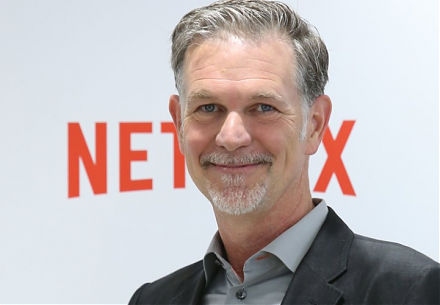
Netflix has an unsustainable business model in the meantime. Netflix maintains a small premium membership fee of $9-$14 per month for its unique collection
2020-05-05 09:31:00 Tuesday ET

Our fintech finbuzz analytic report shines fresh light on the fundamental prospects of U.S. tech titans Facebook, Apple, Microsoft, Google, and Amazon (F.A.
2023-03-14 16:43:00 Tuesday ET

Several feasible near-term reforms can substantially narrow the scope for global tax avoidance by closing information loopholes. Thomas Pogge and Krishen
2023-10-14 10:32:00 Saturday ET

Jonathan Baker frames the current debate over antitrust merger review and enforcement in America. Jonathan Baker (2019) The antitrust paradi
2017-03-27 06:33:00 Monday ET
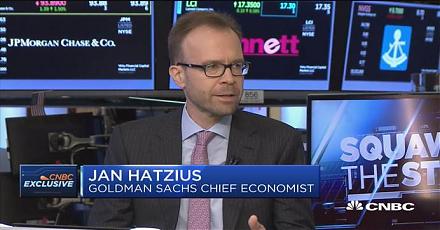
Goldman Sachs chief economist Jan Hatzius says the Federal Reserve's QE exit strategy makes sense ahead of Fed Chair Janet Yellen's stepdown in 2018
 Reports
 Metrics
 Events
 AI Stock Synopses