
AudioEye Inc. engages in creating cloud-based cross-platform/cross-browser screen reader solution for web browsing. It focuses on creating voice driven technologies to enhance the mobility, usability, and accessibility of the Internet based content in the United States. The company develops patented, Internet content publication, and distribution software that enables conversion of any media into accessible formats, as well as allows for real time distribution on any Internet connected device. It offers Audio Internet (R), a software as a service technology platform to Internet and mobile publishers, developers, owners, and operators. AudioEye Inc. is based in Tucson, Arizona....
+See MoreSharpe-Lintner-Black CAPM alpha (Premium Members Only) Fama-French (1993) 3-factor alpha (Premium Members Only) Fama-French-Carhart 4-factor alpha (Premium Members Only) Fama-French (2015) 5-factor alpha (Premium Members Only) Fama-French-Carhart 6-factor alpha (Premium Members Only) Dynamic conditional 6-factor alpha (Premium Members Only) Last update: Saturday 17 October 2026
2019-10-03 17:39:00 Thursday ET
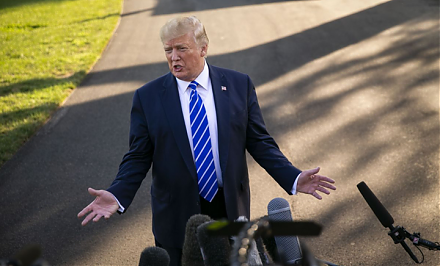
President Trump indicates that he would consider an interim Sino-American trade deal in lieu of a full trade agreement. The Trump administration defers high
2018-12-19 17:41:00 Wednesday ET

Tencent Music Entertainment debuts its IPO on NYSE to strike a chord with stock market investors. Tencent Music goes public and marks the biggest IPO by a m
2019-08-07 12:33:00 Wednesday ET

Conor McGregor learns a major money lesson from LeBron James. This lesson suggests that James spends about $1.5 million on his own body each year. The $1.5
2019-12-10 09:30:00 Tuesday ET
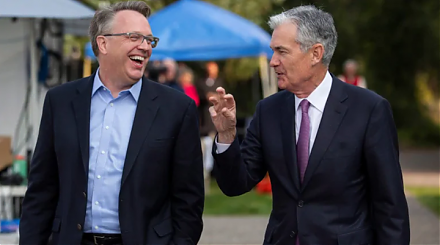
Federal Reserve institutes the third interest rate cut with a rare pause signal. The Federal Open Market Committee (FOMC) reduces the benchmark interest rat
2018-03-15 07:41:00 Thursday ET
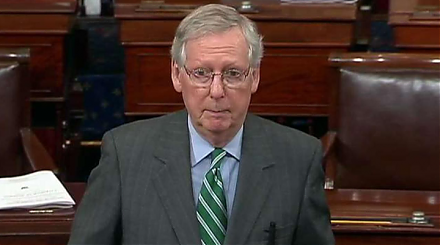
The Trump administration's $1.5 trillion hefty tax cuts and $1 trillion infrastructure expenditures may speed up the Federal Reserve interest rate hike
2018-07-03 11:42:00 Tuesday ET
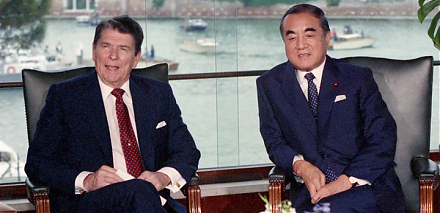
President Trump's current trade policies appear like the Reagan administration's protectionist trade policies back in the 1980s. In comparison to th
 Reports
 Metrics
 Events
 AI Stock Synopses