
ACRES Commercial Realty Corp. is a real estate investment trust which is primarily focused on originating, holding and managing commercial real estate mortgage loans and other commercial real estate-related debt investments. The Company is externally managed by ACRES Capital, LLC, a subsidiary of ACRES Capital Corp., a private commercial real estate lender exclusively to middle market CRE lending with a focus on multifamily, student housing, hospitality, industrial and office. ACRES Commercial Realty Corp., formerly known as Exantas Capital Corp., is based in WESTBURY, N.Y....
+See MoreSharpe-Lintner-Black CAPM alpha (Premium Members Only) Fama-French (1993) 3-factor alpha (Premium Members Only) Fama-French-Carhart 4-factor alpha (Premium Members Only) Fama-French (2015) 5-factor alpha (Premium Members Only) Fama-French-Carhart 6-factor alpha (Premium Members Only) Dynamic conditional 6-factor alpha (Premium Members Only) Last update: Saturday 26 September 2026
2024-10-27 07:56:01 Sunday ET
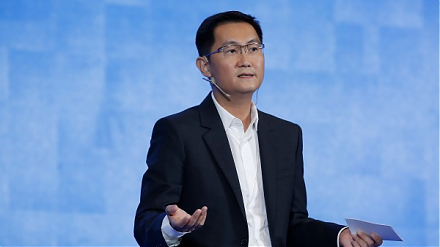
Stock Synopsis: China Internet tech titans continue to grow amid greater competition. We launch our unique coverage of top 25 China Internet stocks. In t
2019-02-09 08:33:00 Saturday ET

Apple provides positive forward guidance on both revenue and profit forecasts for iPhones, iPads, and MacBooks. In the Christmas 2018 festive season, MacBoo
2018-10-09 08:40:00 Tuesday ET

The International Monetary Fund (IMF) appoints Harvard professor Gita Gopinath as its chief economist. Gopinath follows her PhD advisor and trailblazer Kenn
2024-03-26 09:30:00 Tuesday ET

Stock Synopsis: ESG value and momentum stock market portfolio strategies Since 2013, we have been delving into the broad topics of ESG (Environmental, So
2019-01-13 12:37:00 Sunday ET

We need crowdfunds to support our next responsive web design and iOS and Android app development. Upon successful campaign completion, we will provide an eb
2027-10-31 00:00:00 Sunday ET

In the technological race between the U.S. and China, America leads in some strategic sectors from AI large language models (LLM), graphics processing units
 Reports
 Metrics
 Events
 AI Stock Synopses