
Acadia Healthcare Company, Inc. provides behavioral health care services in the United States. The U.S. segment comprises acute inpatient psychiatric facilities, specialty treatment facilities, residential treatment centers, outpatient community-based services, wholly-owned facility, and also comprehensive treatment centers (CTCs). For the services rendered in its facilities, the company receives payments from (i) state governments under their respective Medicaid and other programs; (ii) commercial insurers; (iii) the federal government under the Medicare program administered by CMS; (iv) public funded sources in the U.K.; and (v) individual patients and clients....
+See MoreSharpe-Lintner-Black CAPM alpha (Premium Members Only) Fama-French (1993) 3-factor alpha (Premium Members Only) Fama-French-Carhart 4-factor alpha (Premium Members Only) Fama-French (2015) 5-factor alpha (Premium Members Only) Fama-French-Carhart 6-factor alpha (Premium Members Only) Dynamic conditional 6-factor alpha (Premium Members Only) Last update: Saturday 17 October 2026
2017-04-25 06:35:00 Tuesday ET
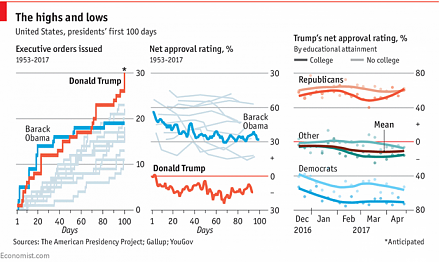
This nice and clear infographic visualization helps us better decipher the main memes and themes of President Donald Trump's first 100 days in office.
2027-01-31 12:25:00 Sunday ET

In recent decades, many governments have chosen to run high fiscal deficits on top of sovereign debt mountains so that greater government intervention still
2018-09-07 07:33:00 Friday ET
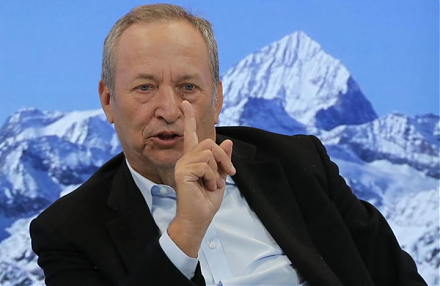
The Economist re-evaluates the realistic scenario that the world has learned few lessons of the global financial crisis from 2008 to 2009 over the past deca
2018-08-13 12:39:00 Monday ET
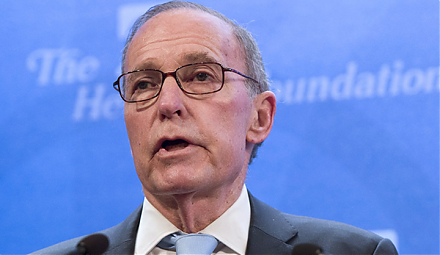
White House chief economic adviser Larry Kudlow points out that the recent U.S. dollar strength shows a clear sign of investor confidence and optimism. Gree
2020-09-11 10:22:00 Friday ET

AYA fintech network platform provides proprietary alpha stock signals and personal finance tools. In recent times, we have completed our fresh website up
2018-02-01 07:38:00 Thursday ET
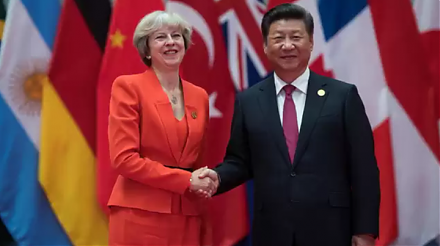
U.S. senators urge the Trump administration with a bipartisan proposal to prevent the International Monetary Fund (IMF) from bailing out several countries t
 Reports
 Metrics
 Events
 AI Stock Synopses