
Asbury Automotive Group, Inc. is one of the largest automotive retailers. Asbury offers customers an extensive range of automotive products and services, including new and used vehicle sales and related financing and insurance, vehicle maintenance and repair services, replacement parts and service contracts. They sell used vehicles at all franchised dealership locations and stand-alone stores. Used vehicle sales include the sale of used vehicles to individual retail customers and the sale of used vehicles to other dealers at auction. They provide vehicle repair and maintenance services, sell replacement parts, and recondition used vehicles at all of our dealerships....
+See MoreSharpe-Lintner-Black CAPM alpha (Premium Members Only) Fama-French (1993) 3-factor alpha (Premium Members Only) Fama-French-Carhart 4-factor alpha (Premium Members Only) Fama-French (2015) 5-factor alpha (Premium Members Only) Fama-French-Carhart 6-factor alpha (Premium Members Only) Dynamic conditional 6-factor alpha (Premium Members Only) Last update: Saturday 17 October 2026
2025-10-05 17:31:00 Sunday ET

Stock Synopsis: With a new Python program, we use, adapt, apply, and leverage each of the mainstream Gemini Gen AI models to conduct this comprehensive fund
2018-12-20 13:40:00 Thursday ET
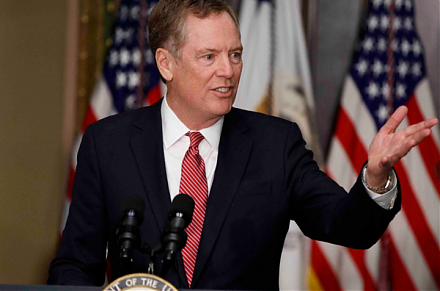
T-Mobile and Sprint indicate that the U.S. is likely to approve their merger plan as they take the offer from foreign owners to stop using HuaWei telecom te
2023-11-07 11:31:00 Tuesday ET

Joel Mokyr suggests that economic growth arises from a change in cultural beliefs toward technological progress. Joel Mokyr (2018) A culture
2019-06-03 11:31:00 Monday ET
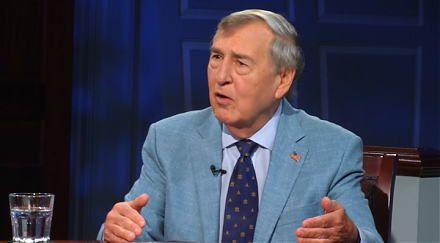
The Sino-U.S. trade war may be the Thucydides trap or a clash of Caucasian and non-Caucasian civilizations. The proverbial Thucydides trap refers to the his
2025-07-05 11:23:00 Saturday ET

Former New York Times science author and Harvard psychologist Daniel Goleman explains why working with emotional intelligence helps hone our social skills f
2019-05-07 09:30:00 Tuesday ET
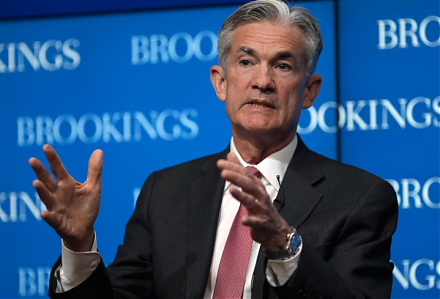
The Trump team receives a 3.2% first-quarter GDP boost as Fed Chair Jay Powell halts the next interest rate hike in early-May 2019. This smooth upward econo
 Reports
 Metrics
 Events
 AI Stock Synopses