
Companhia de Bebidas das Americas (AmBev), based in S'o Paulo, is engaged in producing, distributing and selling beer, carbonated soft drinks and other non-alcoholic and non-carbonated products in many countries across the Americas. It maintains an agreement with PepsiCo International, Inc. to bottle, sell and distribute Pepsi products in Brazil and in other Latin American countries, including Lipton Ice Tea, Gatorade, H2OH!, Propel and Frutzzz. AmBev conducts its operations through three business units: Latin America North, Latin America South and Canada. Latin America North includes its operations in Brazil, where it operates two divisions: beer sales and carbonated soft drinks and non-alcoholic non-carbonated sales; and its operations in its Hispanic Latin America Operations, excluding Latin America South, operations. Latin America South includes its Quinsa operations in the countries of Argentina, Bolivia, Paraguay, Uruguay and Chile. Canada, represented by Labatt, includes domestic sales in Canada....
+See MoreSharpe-Lintner-Black CAPM alpha (Premium Members Only) Fama-French (1993) 3-factor alpha (Premium Members Only) Fama-French-Carhart 4-factor alpha (Premium Members Only) Fama-French (2015) 5-factor alpha (Premium Members Only) Fama-French-Carhart 6-factor alpha (Premium Members Only) Dynamic conditional 6-factor alpha (Premium Members Only) Last update: Saturday 17 October 2026
2022-09-25 09:34:00 Sunday ET

Main reasons for share repurchases Temporary market undervaluation often induces corporate incumbents to initiate a share repurchase program to boost the
2024-03-19 03:35:58 Tuesday ET
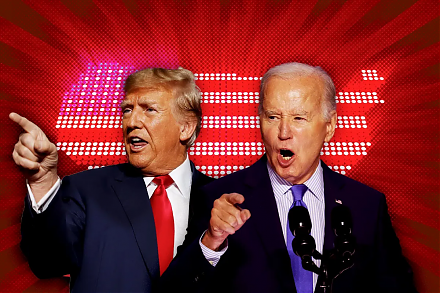
U.S. presidential election: a re-match between Biden and Trump in November 2024 We delve into the 5 major economic themes of the U.S. presidential electi
2018-01-23 06:38:00 Tuesday ET
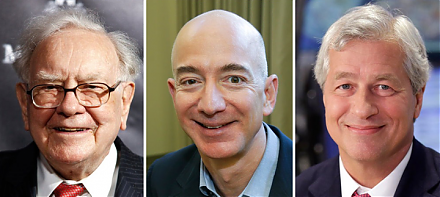
Amazon, Berkshire Hathaway, and JPMorgan Chase establish a new company to reduce U.S. employee health care costs in negotiations with drugmakers, doctors, a
2020-06-17 09:23:00 Wednesday ET

Successful founders focus on their continuous growth, passion, perseverance, and the collective wisdom of most team members. William Ferguson (2013) &
2019-07-13 07:17:00 Saturday ET
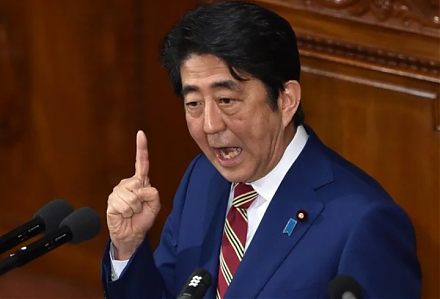
Japanese prime minister Shinzo Abe outlines the main economic priorities for the G20 summit in Osaka, Japan. First, Asian countries need to forge the key Re
2018-07-17 08:35:00 Tuesday ET
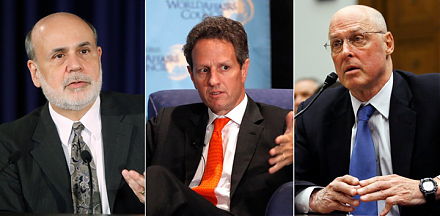
Henry Paulson and Timothy Geithner (former Treasury heads) and Ben Bernanke (former Fed chairman) warn that people seem to have forgotten the lessons of the
 Reports
 Metrics
 Events
 AI Stock Synopses