
Suncor Energy, Inc. is premier integrated energy company. The company's operations include oil sands development and upgrading, conventional and offshore crude oil and gas production, petroleum refining, and product marketing. Suncor is one of the largest owners of oil sands in the world. The company has gained new oil sands properties to supplement its existing operations in northern Alberta. Suncor's business can be divided into three main segments: Oil Sands, Exploration and Production, and Refining and Marketing. Oil Sands segment mines and upgrades oil sands in Canada's Alberta province to produce refinery-ready synthetic crude oil. Exploration and Production includes offshore operations off the east coast of Canada and in the North Sea, and onshore operations in Libya and Syria. The company also owns oilfields in Sirte Basin in Libya and stakes in Elba gas development in Syria. Refined products from refineries are marketed through Sunoco and Petro-Canada branded retail outlets....
+See More2026-07-01 11:29:00 Wednesday ET

In recent years, higher American economic growth has been impressive both by historical standards and in comparison to the rest of the world. American excep
2017-04-01 06:40:00 Saturday ET
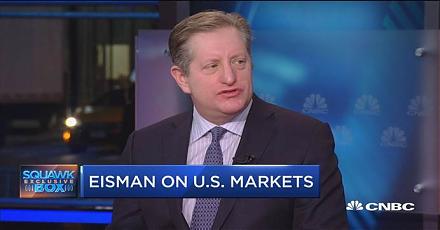
With the current interest rate hike, large banks and insurance companies are likely to benefit from higher equity risk premiums and interest rate spreads.
2024-01-31 14:33:00 Wednesday ET

The new world order of trade helps accomplish non-economic policy goals such as national security and technological dominance. To the extent that freer
2017-07-25 10:44:00 Tuesday ET

NerdWallet's new simulation suggests that a 25-year-old millennial who earns an inflation-free base salary of $40,456 and saves 15% each year faces a 99
2023-07-21 10:30:00 Friday ET

Joseph Stiglitz and Andrew Charlton suggest that free trade helps promote better economic development worldwide. Joseph Stiglitz and Andrew Charlton (200
2017-02-25 06:44:00 Saturday ET
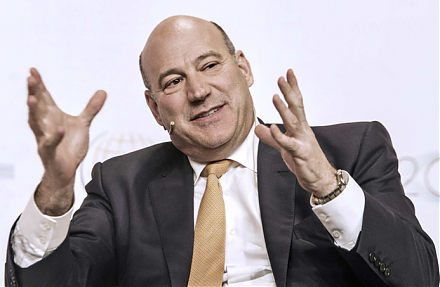
As the White House economic director, Gary Cohn suggests that the Trump administration will tackle tax cuts after the administration *repeals and replaces*