
Sanofi-Aventis manufactures & markets prescription drugs across countries. It focuses on major therapeutic areas such as multiple sclerosis, cardiovascular, immunology, neurology, oncology, rare blood disorders & diabetes, etc. By taking Genzyme Corporation as a subsidiary, it added products like Cerezyme, Myozyme/Lumizyme & Fabrazyme to its portfolio. Sanofi has become a major player in the CHC sector. It acquired many companies i.e. Ablynx & Bioverativ, Synthorx & Principia & Translate Bio and Kadmon. It has collaborated with companies like Regeneron among others. It develops and markets Dupixent, Kevzara & Libtayo in collaboration with Regeneron. Sanofi, along with Regeneron, is now solely responsible for Praluent marketing in & outside the U.S. Sanofi operates through 3 Global Business Units: Specialty Care (neurology & immunology, rare diseases, rare blood disorders & oncology), Vaccines & General Medicines (diabetes, cardiovascular & established products) and Consumer Healthcare, a standalone unit....
+See More2019-06-15 10:28:00 Saturday ET
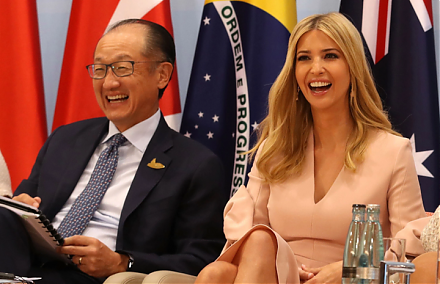
The Sino-American trade war may slash global GDP by $600 billion. If the Trump administration imposes tariffs on all the Chinese imports and China retaliate
2019-04-17 11:34:00 Wednesday ET

Amazon CEO Jeff Bezos admits the fact that antitrust scrutiny remains a primary imminent threat to his e-commerce business empire. In his annual letter to A
2018-11-17 09:33:00 Saturday ET
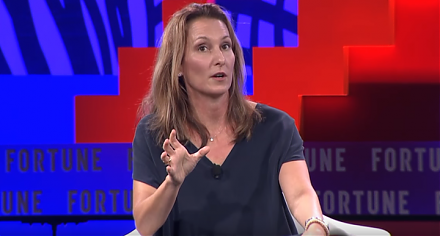
Zillow share price plunges 20% year-to-date as its competitors Redfin and Trulia also experience an economic slowdown in the real estate market. The real es
2024-10-31 09:26:00 Thursday ET

Generative artificial intelligence (Gen AI) uses large language models (LLM) and content generation tools to enhance human lives with better productivity.
2019-04-13 14:28:00 Saturday ET
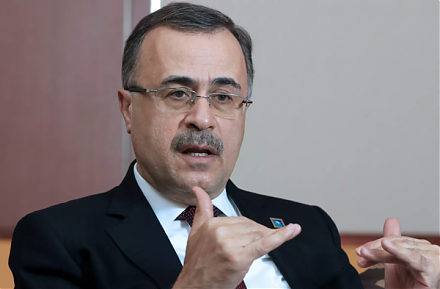
Saudi Aramco unveils the financial secrets of the most profitable corporation in the world. In its recent public bond issuance prospectus, Aramco offers the
2023-12-03 11:33:00 Sunday ET

Macro innovations and asset alphas show significant mutual causation. April 2023 This brief article draws from the recent research publicati