
Phillips 66's operations incorporate refining, midstream, marketing and specialties, and chemicals. The company's operations include processing, transportation, storing and marketing fuels and products all over the world. The company operates through the four business segments, namely, Midstream, Chemicals, Refining, and Marketing and Specialties. Midstream gathers, processes, transports and markets natural gas; and transports, fractionates and markets NGL in the United States. In addition, this segment transports crude oil and other feedstocks to its refineries and other locations, and delivers refined and specialty products to the market. Chemicals manufacture and markets petrochemicals and plastics on a worldwide basis. Refining buys, sells and refines crude oil and other feedstocks at its refineries. Marketing and Specialties purchases for resale and markets refined products. In addition, this segment includes the manufacturing and marketing of specialty products....
+See More2018-07-17 08:35:00 Tuesday ET
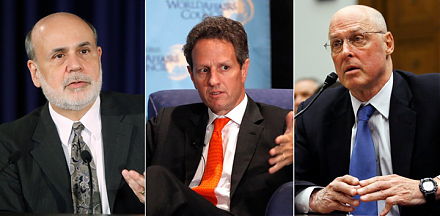
Henry Paulson and Timothy Geithner (former Treasury heads) and Ben Bernanke (former Fed chairman) warn that people seem to have forgotten the lessons of the
2019-10-29 13:36:00 Tuesday ET
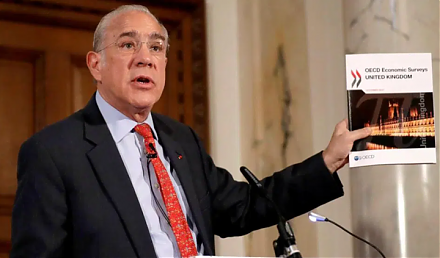
The OECD projects global growth to decline from 3.2% to 2.9% in the current fiscal year 2019-2020. This global economic growth projection represents the slo
2019-11-13 11:34:00 Wednesday ET

The new Brexit deal can boost British pound appreciation and economic optimism. British prime minister Boris Johnson wins the parliamentary vote on his new
2019-09-13 10:37:00 Friday ET
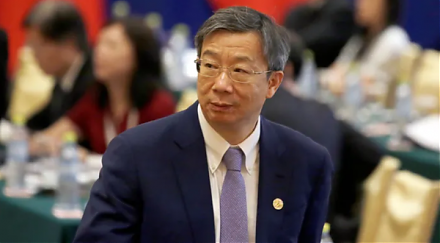
China allows its renminbi currency to slide below the key psychologically important threshold of 7-yuan per U.S. dollar. A currency dispute between the U.S.
2018-01-05 07:37:00 Friday ET
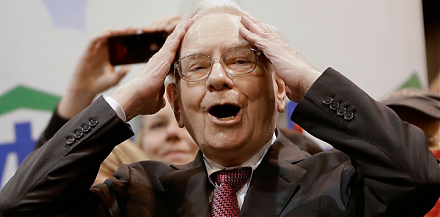
Warren Buffett cleverly points out that American children will not only be better off than their parents, but the former will also enjoy higher living stand
2019-06-21 13:33:00 Friday ET
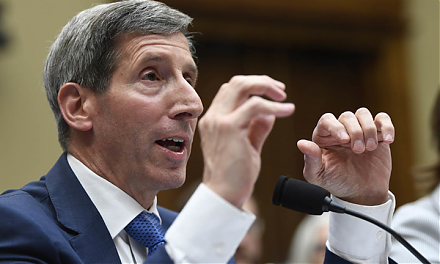
Amazon and Google face more intense antitrust scrutiny. In recent times, Justice Department and Federal Trade Commission have reached an internal agreement