
Mitsubishi UFJ Financial Group, Inc., is the world's largest bank-holding company. The company operates under an integrated business group system including the operations of The Bank of Tokyo-Mitsubishi UFJ, Ltd. Mitsubishi UFJ Trust and Banking Corporation, Mitsubishi UFJ Morgan Stanley Securities Co. Ltd., Mitsubishi UFJ Securities Holdings Co., Ltd. Mitsubishi UFJ NICOS Co. Ltd. and other subsidiaries. The company has seven reportable segments - Retail & Commercial Banking Business Group, The Japanese Corporate & Investment Banking Business Group, The Asset Management & Investor Services Business Group, The Global Corporate & Investment Banking Business Group, The Global Commercial Banking Business Group, The Global Markets Business Group, The Digital Service Business Group was formed in light of the societal digital shift. In November 2019, it acquired the Aviation Finance lending business of DVB Bank SE. In May, MUFG's core banking subsidiary MUFG Bank completed the merger of Bank Danamon and Bank BNP....
+See More2019-12-22 08:30:00 Sunday ET
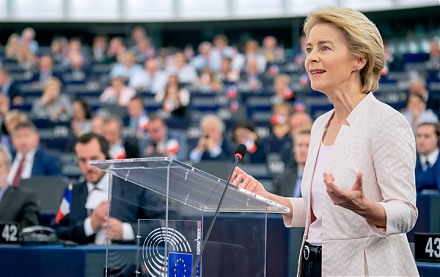
European Commission President Ursula von der Leyen now protects the European circular economy and green growth from 2020 to 2050. The new circular economy r
2018-05-10 07:37:00 Thursday ET

Top money managers George Soros and Warren Buffett reveal their current stock and bond positions in their recent corporate disclosures as of mid-2018. Georg
2019-03-03 10:39:00 Sunday ET
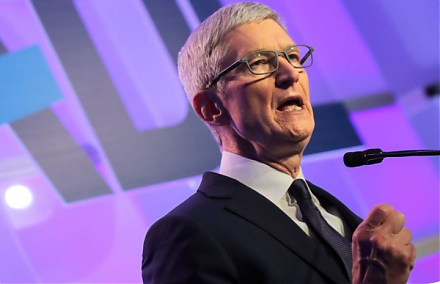
Tech companies seek to serve as quasi-financial intermediaries. Retail traders can list items for sale on eBay and then acquire these items economically on
2022-04-25 10:34:00 Monday ET

Corporate ownership governance theory and practice The genesis of modern corporate governance and ownership studies traces back to the seminal work
2019-03-29 12:28:00 Friday ET
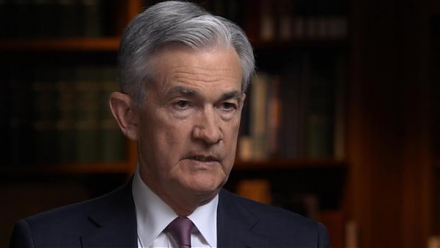
Federal Reserve Chair Jerome Powell answers CBS News 60 Minutes questions about the recent U.S. economic outlook and interest rate cycle. Powell views the c
2018-04-26 07:37:00 Thursday ET

Credit supply growth drives business cycle fluctuations and often sows the seeds of their own subsequent destruction. The global financial crisis from 2008