
Magellan Midstream Partners, L.P. owns and operates a diversified portfolio of energy infrastructure assets. The partnership primarily transports, stores, and distributes refined petroleum products to a lesser extent, ammonia. Magellan Midstream has operations in 2 segments: Refined Products and Crude Oil. Refined Products unit primarily comprises Magellan's pipeline system transporting gasoline and diesel fuel, with integrated terminals, independent terminals and barrels for storage. It also looks after the ammonia pipeline system with Magellan-owned terminals and caters to the mid-continent region. The unit also consists Magellan Midstream's Galena Park marine terminal and its interest in the Pasadena marine terminal joint venture. Crude Oil division includes pipelines, a condensate splitter, as well as storage services. The partnership has 100% interest in these pipelines, the condensate splitter and barrels. Magellan Midstream's crude oil pipelines are backed by long-term throughput commitments....
+See More2019-08-01 11:33:00 Thursday ET
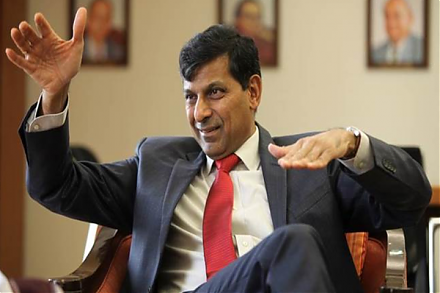
Many young and mid-career Americans fall into the financial distress trap in rural communities. A recent analysis of 25,800 zip codes for 99% of the U.S. po
2019-05-15 12:32:00 Wednesday ET

The May administration needs to seek a fresh fallback option for Halloween Brexit. After the House of Commons rejects Brexit proposals from the May administ
2018-06-02 09:35:00 Saturday ET
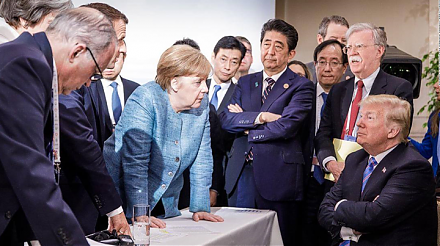
The finance ministers of Britain, Canada, France, Germany, Italy, and Japan team up against U.S. President Donald Trump and Treasury Secretary Steven Mnuchi
2018-03-05 07:34:00 Monday ET

Peter Thiel shares his money views of President Trump, Facebook, Bitcoin, global finance, and trade etc. As an early technology adopter, Thiel invests in Fa
2018-05-23 09:41:00 Wednesday ET

Many U.S. large public corporations spend their tax cuts on new dividend payout and share buyback but not on new job creation and R&D innovation. These
2017-12-19 09:39:00 Tuesday ET
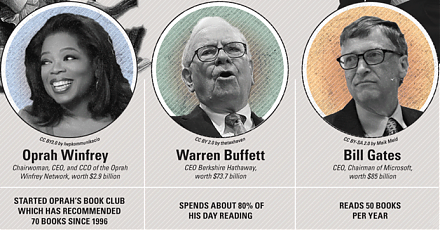
From Oprah Winfrey to Bill Gates, this infographic visualization summarizes the key habits and investment styles of highly successful entrepreneurs: