Alphabet has evolved from primarily being a search-engine provider to cloud computing, ad-based video and music streaming, autonomous vehicles, healthcare providers and others. In the online search arena, Google is a monopoly with more than 94% of the online search volume and market. Over the years, the company has witnessed increase in search queries, resulting from ongoing growth in user adoption and usage, primarily on mobile devices, continued growth in advertiser activity, and improvements in ad formats. The company is gaining market share in the cloud-computing, driven by continued strength in Google Cloud Platform and Google Workspace. Alphabet also enjoys a dominant position in the autonomous vehicles market, thanks to Waymo's relentless efforts. Also, it has bolstered its footprint in the healthcare industry with its life science division, Verily....
+See More2017-08-31 09:36:00 Thursday ET

The Trump administration has initiated a new investigation into China's abuse of American intellectual property under Section 301 of the Trade Act of 19
2019-02-06 10:36:49 Wednesday ET
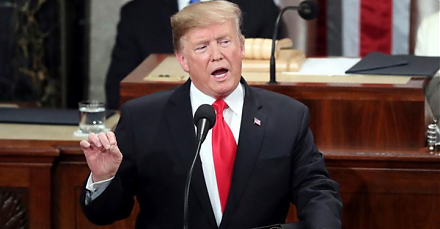
President Trump delivers his second state-of-the-union address to U.S. Congress. Several key themes emerge from this presidential address. First, President
2023-09-21 09:26:00 Thursday ET

Jordi Gali delves into the science of the New Keynesian monetary policy framework with economic output and inflation stabilization. Jordi Gali (2015)
2017-10-09 09:34:00 Monday ET
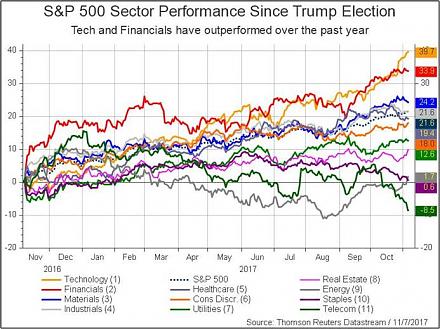
The current Trump stock market rally has been impressive from November 2016 to October 2017. S&P 500 has risen by 21.1% since the 2016 presidential elec
2023-01-11 09:26:00 Wednesday ET
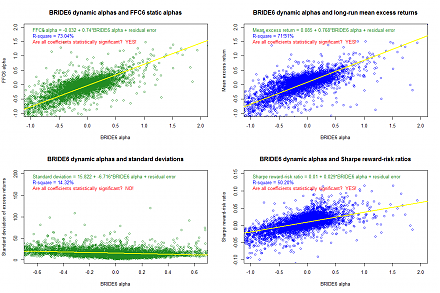
Addendum on USPTO fintech patent protection and accreditation As of early-January 2023, the U.S. Patent and Trademark Office (USPTO) has approved our U.S
2018-05-17 07:41:00 Thursday ET

Has America become a democratic free land of crumbling infrastructure, galloping income inequality, bitter political polarization, and dysfunctional governa