
BlackBerry Ltd. provides intelligent security software and services to enterprises and governments world wide. It offers devices and software platform for managing security, mobility and communications among hardware, programs, mobile apps and the IoT. BlackBerry UEM is the only unified endpoint management system to be included on the Department of Defense Information Network Approved Products List. It leverages its extensive technology portfolio to offer best-in-class security, safety and reliability to enterprise customers in growing segments of the cybersecurity, connected transportation, healthcare, financial services and government markets. BlackBerry SecuSUITE received accreditation from the government of Canada. It's extending the functionality of its secure BlackBerry Spark software platform through organic investments as well as strategic acquisitions and partnerships. BlackBerry aligned its software and services business around 2 key market opportunities: Cyber Security & IoT....
+See More2023-05-28 10:24:00 Sunday ET

Thomas Piketty connects the dots between economic growth and inequality worldwide with long-term global empirical evidence. Thomas Piketty (2017) &nbs
2022-05-30 09:32:00 Monday ET

The new semiconductor microchip demand-supply imbalance remains quite severe for the U.S. tech and auto industries. Our current fundamental macro a
2018-10-07 13:39:00 Sunday ET
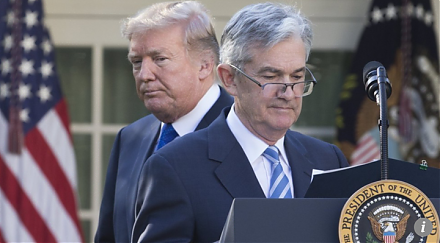
The U.S. greenback soars in value as the Federal Reserve continues its interest rate hike. With impressive service-sector data and non-farm payroll wage gro
2018-07-07 10:33:00 Saturday ET
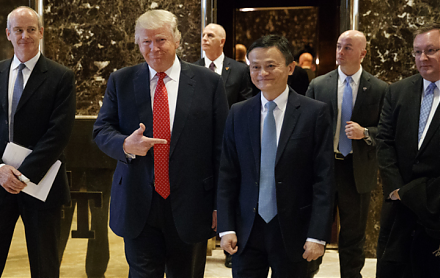
The east-west tech rivalry intensifies between BATs (Baidu, Alibaba, and Tencent) and FAANGs (Facebook, Apple, Amazon, Netflix, and Google). These Sino-U.S.
2024-03-26 09:30:00 Tuesday ET

Stock Synopsis: ESG value and momentum stock market portfolio strategies Since 2013, we have been delving into the broad topics of ESG (Environmental, So
2018-08-21 11:40:00 Tuesday ET
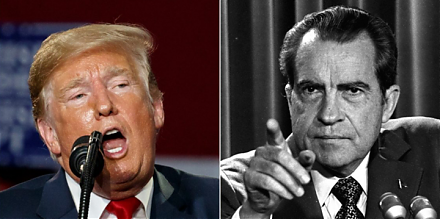
President Trump criticizes his new Fed Chair Jerome Powell for accelerating the current interest rate hike with greenback strength. This criticism overshado