
Apogee Enterprises is a leader in architectural products and services, providing architectural glass, aluminum framing systems and installation services for buildings, and value-added glass and acrylic for custom picture framing and displays. Its markets include the U.S. government, offices, education, health care and hotels. It operates under 4 segments. The Architectural Glass segment & The Architectural Services segment are involved in designing, engineering, fabricating and installing walls and windows of glass constituting the outside skin of commercial and institutional buildings. Its key products are Viracon & Harmon. The Architectural Framing Systems designs, engineers and finishes the aluminium frames for window, curtainwall, storefront and entrance systems with features like energy efficiency and hurricane protection. The segment comprises Wausau Window and Wall Systems, Tubelite and Linetec. The Large-Scale Optical segment manufactures value-added glass and acrylic products....
+See More2019-09-15 14:35:00 Sunday ET
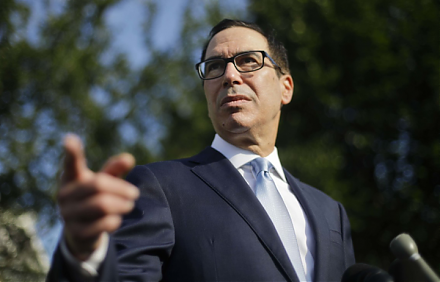
U.S. Treasury officially designates China a key currency manipulator in the broader context of Sino-American trade dispute resolution. The U.S. Treasury cla
2020-07-26 15:29:00 Sunday ET

Firms and customers create value and wealth together by joining the continual flow of small batches of lean production to the lean consumption of cost-effec
2022-11-05 11:32:00 Saturday ET

CEO overconfidence and corporate performance Malmendier and Tate (JFE 2008, JF 2005) argue that overconfident CEOs are more likely to initiate mergers an
2021-07-07 05:22:00 Wednesday ET

What are the best online stock market investment tools? Stock trading has seen an explosion since the start of the pandemic. As people lost their jobs an
2023-09-28 08:26:00 Thursday ET

Daron Acemoglu and James Robinson show a constant economic tussle between society and the state in the hot pursuit of liberty. Daron Acemoglu and James R
2016-11-09 00:00:00 Wednesday ET
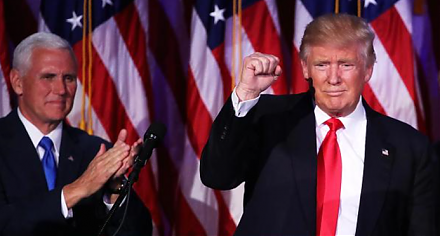
Universally dismissed as a vanity presidential candidate when he entered a field crowded with Republican talent, the former Democrat and former Independent