
Abercrombie & Fitch Co. operates as a specialty retailer of all types of premium, high-quality casual apparel for men, women, and kids through a vast store network across N. America, Europe, Asia and the Middle East under the Abercrombie & Fitch, abercrombie kids and Hollister brands. Also, the company sells inner wear, personal care products, sleepwear and at-home products for girls through direct-to-consumer operations and Hollister stores under the Gilly Hicks brand. It also sells products through its e-commerce platform. Region-wise it reports its sales under two segments - U.S. Stores (U.S. and Puerto Rico) and International Stores (Canada, Europe, Asia, Australia and the Middle East). Brand-wise, Abercrombie reports in 2 segments - Abercrombie and Hollister. Abercrombie includes the Abercrombie & Fitch and abercrombie kids brands. Hollister is based on a South California theme, and targets youth in their late teens. Stores under this brand also offer intimate products of the Gilly Hicks brand....
+See More2024-02-05 11:26:00 Monday ET
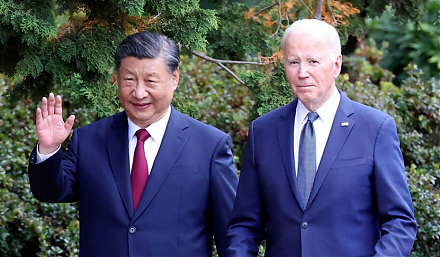
China poses new economic, technological, and military threats to the U.S. and many western allies. In the U.S. government assessment, China poses new eco
2019-02-21 12:37:00 Thursday ET

Apple shakes up senior leadership to initiate a new transition from iPhone revenue reliance to media and software services. These changes include the key pr
2025-07-26 09:26:00 Saturday ET

Nir Eyal and Ryan Hoover explain why keystone habits lead us to purchase products, goods, and services in our lives. The Hooked Model can help shine new lig
2018-11-13 12:30:00 Tuesday ET

President Trump promises a great trade deal with China as Americans mull over mid-term elections. President Trump wants to reach a trade accord with Chinese
2017-12-21 12:45:00 Thursday ET

Tony Robbins summarizes several personal finance and investment lessons for the typical layperson: We cannot beat the stock market very often, so it w
2018-12-15 14:38:00 Saturday ET
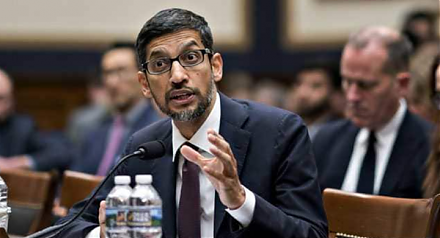
Google CEO Sundar Pichai makes his debut testimony before Congress. The post-mid-term-election House Judiciary Committee bombards Pichai with key questions