
Access National Corporation, incorporated on May 12, 2003, is a bank holding company. The Company operates through its subsidiary, Access National Bank (the Bank). The Bank provides credit, deposit, mortgage services and wealth management services to middle market commercial businesses and associated professionals, primarily in the Washington, District of Columbia Metropolitan Area. The Bank offers a range of financial services and products, and specializes in providing customized financial services to small and medium sized businesses, professionals and associated individuals. The Company operates through three segments: traditional commercial banking, mortgage banking and wealth management. Its commercial banking segment includes loans, investment securities and deposit services. Its mortgage banking segment includes mortgage loans held for sale, sales of loans in the secondary mortgage market and loan origination. Its wealth management segment includes portfolio asset management. The commercial banking segment provides the mortgage banking segment with the short-term funds needed to originate mortgage loans through a warehouse line of credit and charges interest to the mortgage banking segment based on a premium over their cost to borrow funds. ...
+See More2017-10-03 18:39:00 Tuesday ET

President Trump has nominated Jerome Powell to run the Federal Reserve once Fed Chair Janet Yellen's current term expires in February 2018. Trump's
2025-09-16 09:27:00 Tuesday ET
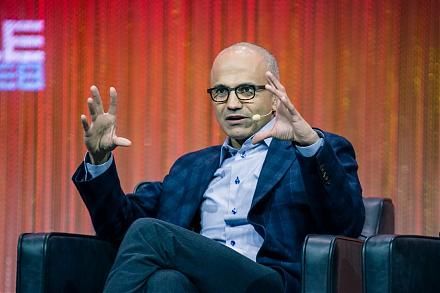
Stock Synopsis: With a new Python program, we use, adapt, apply, and leverage each of the mainstream Gemini Gen AI models to conduct this comprehensive fund
2025-10-13 12:32:00 Monday ET

Stock Synopsis: With a new Python program, we use, adapt, apply, and leverage each of the mainstream Gemini Gen AI models to conduct this comprehensive fund
2017-04-01 06:40:00 Saturday ET

With the current interest rate hike, large banks and insurance companies are likely to benefit from higher equity risk premiums and interest rate spreads.
2018-08-01 11:43:00 Wednesday ET
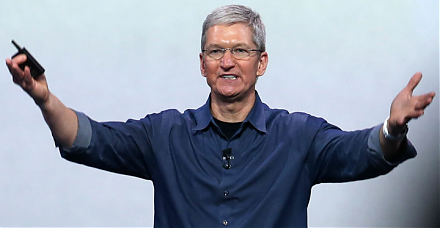
Apple becomes the first company to hit $1 trillion stock market valuation. The tech titan sells about the same number of smart phones or 41 million iPhones
2018-05-01 11:38:00 Tuesday ET
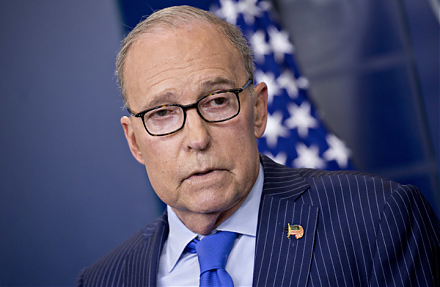
America and China play the game of chicken over trade and technology, whereas, most market observers and economic media commentators hope the Trump team to