
Autoliv Inc., operating through two principal subsidiaries Autoliv AB and Autoliv ASP, is one of the leading manufacturers and suppliers of a wide range of products, which majorly includes passive safety systems. Its passive safety systems include modules and components for frontal-impact & side-impact airbag protection systems, seatbelts, steering wheels, inflator technologies, battery cable cutters, pedestrian protection systems and child seats. Autoliv engages in joint ventures to expand geographical expansion, develop and gain support to market its full product line to vehicle manufacturers. Its business is conducted in five key regions, which includes Europe, the Americas, China, Japan and the Rest of Asia.'Major customers of this automotive safety supplier include Mitsubishi Motors, Nissan, Renault, Ford, Volkswagen, Hyundai, Kia, Honda, Toyota, Daimler, General Motors, BMW and Stellantis. It has two reportable segments: Airbags & Associated Products'and Seatbelts & Associated Products....
+See More2019-07-23 09:22:00 Tuesday ET
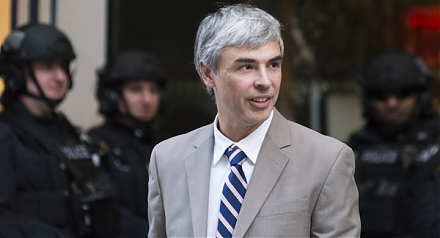
Harvard economic platform researcher Dipayan Ghosh proposes some alternative solutions to breaking up tech titans such as Facebook, Google, Apple, and Amazo
2017-02-25 06:44:00 Saturday ET
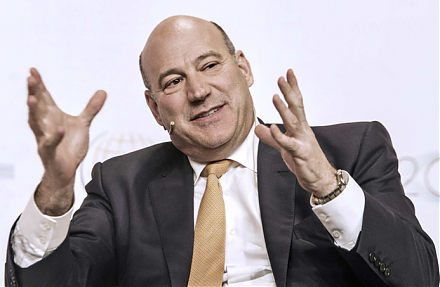
As the White House economic director, Gary Cohn suggests that the Trump administration will tackle tax cuts after the administration *repeals and replaces*
2018-07-23 07:41:00 Monday ET

President Trump now agrees to cease fire in the trade conflict with the European Union. Both sides can work together towards *zero tariffs, zero non-tariff
2019-03-29 12:28:00 Friday ET

Federal Reserve Chair Jerome Powell answers CBS News 60 Minutes questions about the recent U.S. economic outlook and interest rate cycle. Powell views the c
2018-10-25 10:36:00 Thursday ET
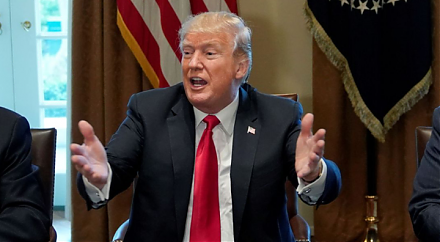
Trump tariffs begin to bite U.S. corporate profits from Ford and Harley-Davidson to Caterpillar and Walmart etc. U.S. corporate profit growth remains high a
2025-09-18 08:03:32 Thursday ET

Stock Synopsis: With a new Python program, we use, adapt, apply, and leverage each of the mainstream Gemini Gen AI models to conduct this comprehensive fund