
Arthur J. Gallagher & Co., an international service provider, plans, designs, and administers a full array of customized, cost-effective property/casualty insurance & risk management programs, consulting services and third-party claims settlement in the U.S. and internationally. It also furnishes a broad range of risk management services including claims and information management, risk control consulting and appraisals to help corporations and institutions reduce their cost of risk. In addition, the company assists clients in all areas of their employee health/welfare and retirement plans, including plan design, funding and administration. It has operations in many countries and, through a network of correspondent brokers and consultants, Gallagher offers client-service capabilities in more than many countries around the world. Some of the company's offices are fully staffed with sales, marketing, claims, loss control and other specialists; some function as servicing offices for the various divisions....
+See More2019-06-01 10:33:00 Saturday ET
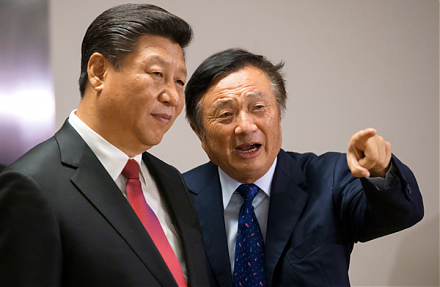
Top tech firms such as Google, Intel, and Qualcomm suspend Android services to HuaWei as the Trump administration blacklists the Chinese company. HuaWei can
2018-07-07 10:33:00 Saturday ET

The east-west tech rivalry intensifies between BATs (Baidu, Alibaba, and Tencent) and FAANGs (Facebook, Apple, Amazon, Netflix, and Google). These Sino-U.S.
2018-01-21 07:25:00 Sunday ET

As he refrains from using the memorable phrase *irrational exuberance* to assess bullish investor sentiments, former Fed chairman Alan Greenspan discerns as
2017-06-09 06:37:00 Friday ET

To complement President Trump's pro-business economic policies such as low taxation, new infrastructure, greater job creation, and technological in
2020-11-03 08:30:00 Tuesday ET

Agile lean enterprises break down organizational silos to promote smart collaboration for better profitability and customer loyalty. Heidi Gardner (2017
2020-07-26 15:29:00 Sunday ET

Firms and customers create value and wealth together by joining the continual flow of small batches of lean production to the lean consumption of cost-effec