
American Electric Power Company, Inc. is a public utility holding company, which, through directly and indirectly owned subsidiaries, generates, transmits and distributes electricity, natural gas and other commodities. It is one of the largest integrated utilities in the U.S., serving more than 5.5 million customers in multiple states. Its service area covers Arkansas, Indiana, Kentucky, Louisiana, Michigan, Ohio, Oklahoma, Tennessee, Texas, Virginia and West Virginia. The company mainly operates under the following business segments: Vertically Integrated Utility Operations, Transmission & Distribution Utilities, AEP Transmission Holdco, Generation and Marketing. Its public utility subsidiaries are Appalachian Power Company, Indiana Michigan Power Company, Kentucky Power Company, Kingsport Power Company, Ohio Power Company, Public Service Company of Oklahoma, Southwestern Electric Power Company, AEP Texas Central Company, AEP Texas North Company, Wheeling Power Company, etc....
+See More2017-07-13 08:35:00 Thursday ET

President Donald Trump has announced that a major Apple iPhone upstream supplier, Foxconn Technology Group (aka Hon Hai Precision Group), will invest $10 bi
2025-08-02 13:31:00 Saturday ET

Chip Espinoza, Mick Ukleja, and Craig Rusch shine fresh light on the core competences for managing millennials as part of the new modern workforce in recent
2025-09-18 08:03:32 Thursday ET

Stock Synopsis: With a new Python program, we use, adapt, apply, and leverage each of the mainstream Gemini Gen AI models to conduct this comprehensive fund
2018-01-29 07:38:00 Monday ET
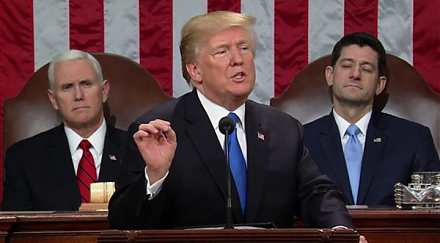
President Donald Trump delivers his first state-of-the-union address. Several key highlights touch on economic issues from fiscal stimulus and trade protect
2018-07-27 10:35:00 Friday ET

Admitting China to the World Trade Organization (WTO) and other international activities seems ineffective in imparting economic freedom and democracy to th
2018-05-08 13:39:00 Tuesday ET

The Trump administration weighs the pros and cons of a potential mega merger between AT&T and Time Warner. Recent stock prices show favorable trends for