
T-Mobile US, Inc. is a national wireless service provider. The company offers its services under the T-Mobile, Metro by T-Mobile and Sprint brands. T-Mobile, through its subsidiaries, provides wireless services for branded postpaid and prepaid, and wholesale customers. The company was formed after the merger of T-Mobile USA Inc. and MetroPCS Communications Inc. Deutsche Telekom AG was the owner of the former T-Mobile USA Inc. Under the terms of the business combination with MetroPCS, Deutsche Telekom received shares of common stock representing a majority ownership interest in T-Mobile in exchange for its transfer of all of T-Mobile USA's common stock. The company offers mobile voice, messaging and data services in the postpaid, prepaid and wholesale markets. T-Mobile is extensively deploying 5G and 4G LTE (Long-Term Evolution) networks. It also provides wireless devices, such as smartphones, tablets and other mobile communication devices and accessories manufactured by various suppliers....
+See More2020-11-17 08:27:00 Tuesday ET

Management consultants can build sustainable trust-driven client relations through the accelerant curve of business value creation. Alan Weiss (2016)
2018-06-14 10:35:00 Thursday ET
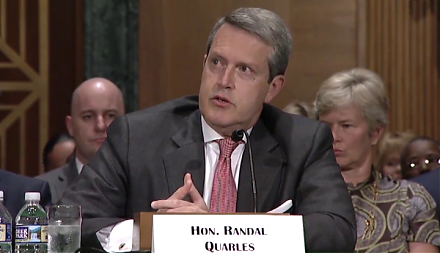
The Federal Reserve's current interest rate hike may lead to the next economic recession as credit supply growth ebbs and flows through the business cyc
2018-10-13 10:44:00 Saturday ET
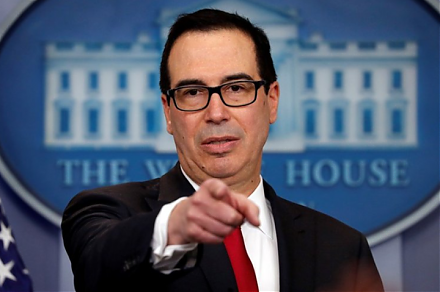
Dow Jones tumbles 3% or 831 points while NASDAQ tanks 4%, and this negative investor sentiment rips through most European and Asian stock markets in early-O
2019-06-17 11:25:00 Monday ET
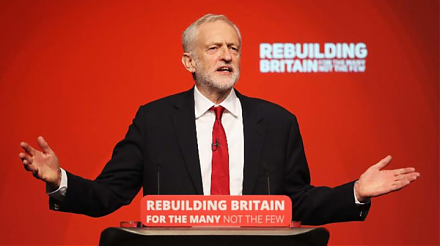
To secure better economic arrangements with European Union, Jeremy Corbyn encourages Labour legislators to back a second referendum on Brexit. In recent tim
2017-03-15 08:46:00 Wednesday ET
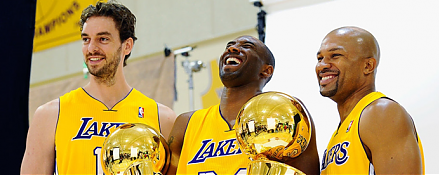
The heuristic rule of *accumulative advantage* suggests that a small fraction of the population enjoys a large proportion of both capital and wealth creatio
2018-03-27 07:33:00 Tuesday ET
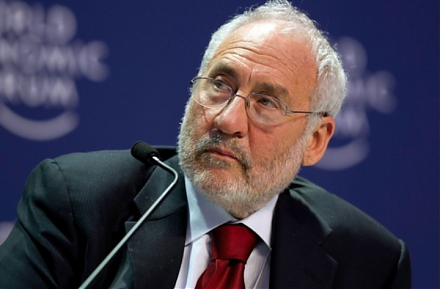
CNBC's business anchorwoman Becky Quick interviews Nobel Laureate Joseph Stiglitz on the current trade war between America and China. As America imposes