
Johnson & Johnson's biggest strength is its diversified business model. It operates through pharmaceuticals, medical devices and consumer products divisions. Its diversification helps it to withstand economic cycles more effectively. J&J has one of the largest research and development (R&D) budget among pharma companies. J&J's worldwide business is divided into three segments: Pharmaceutical, Medical Devices and Consumer. The company has several drugs covering a broad range of areas such as neuroscience, cardiovascular & metabolism, immunology, oncology, pulmonary hypertension and infectious diseases and vaccines. The Medical Devices Segment offers products in the orthopedics, surgery, interventional solutions and vision markets. The Consumer Segment segment includes a broad range of products covering the areas of baby care, beauty/skin health, oral care, wound care and womens' health care, as well as over-the-counter (OTC) pharmaceutical products....
+See More2025-09-16 09:27:00 Tuesday ET
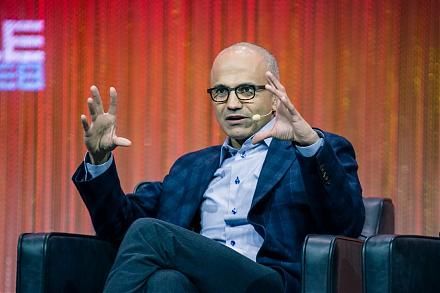
Stock Synopsis: With a new Python program, we use, adapt, apply, and leverage each of the mainstream Gemini Gen AI models to conduct this comprehensive fund
2018-10-01 07:33:00 Monday ET
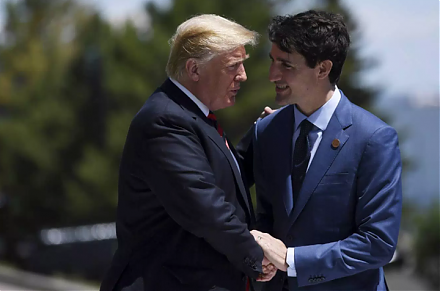
President Trump announces the new trilateral trade agreement among America, Canada, and Mexico: the U.S.-Mexico-Canada Agreement (USMCA) replaces and revamp
2018-01-25 08:32:00 Thursday ET
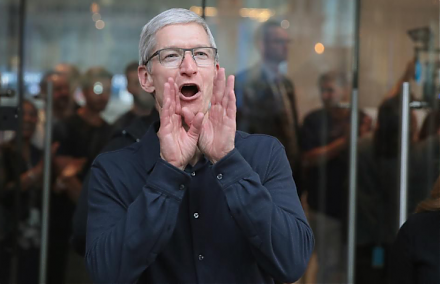
After its flagship iPhone X launch, Apple reports its highest quarterly sales revenue over $80 billion in the tech titan's 41-year history. Apple expect
2017-03-15 08:46:00 Wednesday ET

The heuristic rule of *accumulative advantage* suggests that a small fraction of the population enjoys a large proportion of both capital and wealth creatio
2018-09-11 18:36:00 Tuesday ET
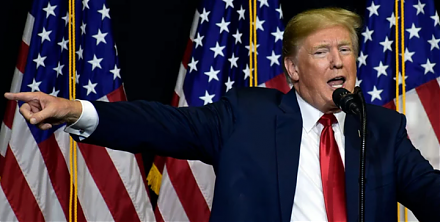
President Trump tweets that Apple can avoid tariff consequences by shifting its primary supply chain from China to America. These Trump tariffs on another $
2018-11-13 12:30:00 Tuesday ET

President Trump promises a great trade deal with China as Americans mull over mid-term elections. President Trump wants to reach a trade accord with Chinese