
Equinix, Inc. is a global digital infrastructure company. Equinix combines a global footprint of International Business Exchange or IBX data centers, interconnection solutions and edge services for deploying network. It includes unique business, digital ecosystems, and expert consulting and support. The company has 3 reportable segments comprised of the Americas, Middle East and Africa and Asia-Pacific geographic regions. It has a direct sales force and a channel marketing program. Its business is based on a recurring revenue model comprising colocation, related interconnection and managed IT infrastructure services. These services are considered to be recurring, as customers are billed at fixed rates on a recurring basis through the life of the respective contracts. Non-recurring revenues comprise installation services related to initial deployment and professional services. Also, revenues from customer settlements (fees paid for terminating contracts before expiry) are treated as contract modifications....
+See More2017-07-01 08:40:00 Saturday ET
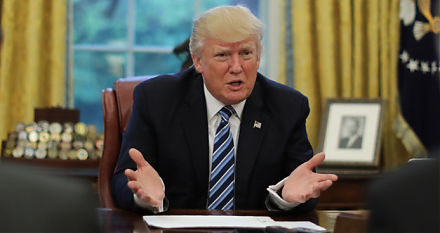
The Economist interviews President Donald Trump and spots the keyword *reciprocity* in many aspects of Trumponomics from trade and taxation to infrastructur
2019-04-15 08:37:00 Monday ET
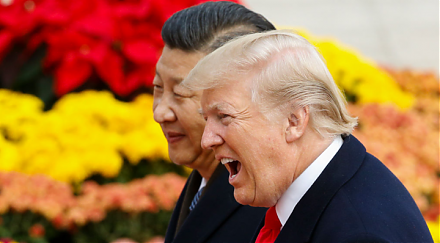
Chinese Belt-and-Road funds large international infrastructure investment projects primarily in East Asia, Central Asia, North Africa, and Italy. Chinese Be
2018-04-11 09:37:00 Wednesday ET

North Korean leader and president Kim Jong-Un seeks peaceful resolution and denuclearization on the Korean Peninsula. When *peace* comes to shove, Asia
2019-05-30 16:44:00 Thursday ET

AYA Analytica finbuzz podcast channel on YouTube May 2019 In this podcast, we discuss several topical issues as of May 2019: (1) Our proprietary alp
2018-07-07 10:33:00 Saturday ET
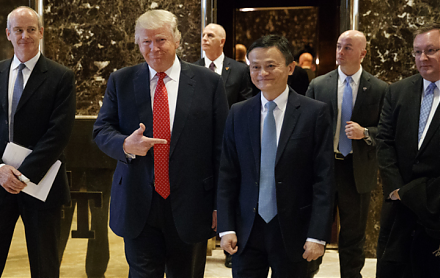
The east-west tech rivalry intensifies between BATs (Baidu, Alibaba, and Tencent) and FAANGs (Facebook, Apple, Amazon, Netflix, and Google). These Sino-U.S.
2019-07-17 12:37:00 Wednesday ET
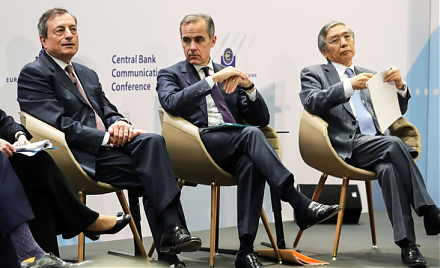
Gold prices surge above $1400 per ounce amid global trade tension and economic policy uncertainty. Both European Central Bank and Bank of Japan may consider