
2019-05-05 10:34:00 Sun ET
technology social safety nets education infrastructure health insurance health care medical care medication vaccine social security pension deposit insurance
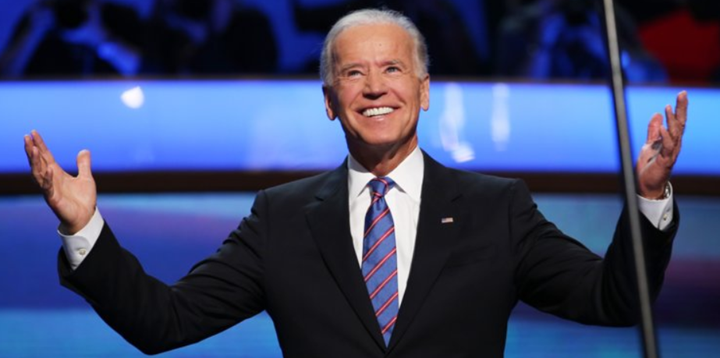
Former Vice President Joe Biden enters the next U.S. presidential race with many moderate-to-progressive policy proposals. At the age of 76, Biden stands out the presidential race as the favorite among Democratic voters in the recent polls. Biden enters the fray with a half-century of government experience with senior roles as the former chairman of Senate Foreign Relations Committee and vice president under President Barack Obama. On public finance, Biden cites high health care and energy costs as the primary threats to the economic prosperity of U.S. firms. Addressing these economic issues helps U.S. firms better compete worldwide. In addition, Biden supports better balancing the fiscal budget with deficit reductions. This fiscal policy stance contrasts with big tax cuts under the Trump administration. Biden indicates the essential need for U.S. banks to operate under the 5 key pillars of financial regulation: capital rules, low-leverage limitations, liquidity requirements, macroprudential stress tests, and deposit insurance constraints.
On agriculture, Biden opposes importing non-native species, which inadvertently alter domestic vegetation, compete with native species, introduce new diseases, and interfere with maritime commerce. Biden also supports a $15 minimum wage proposal, higher taxation on capital investment income, no tuition for public college students, and broader infrastructure.
If any of our AYA Analytica financial health memos (FHM), blog posts, ebooks, newsletters, and notifications etc, or any other form of online content curation, involves potential copyright concerns, please feel free to contact us at service@ayafintech.network so that we can remove relevant content in response to any such request within a reasonable time frame.
2016-10-19 00:00:00 Wednesday ET

India's equivalent to Warren Buffett in America, Rakesh Jhunjhunwala, offers several key lessons for stock market investors: When the press o
2019-10-25 07:49:00 Friday ET
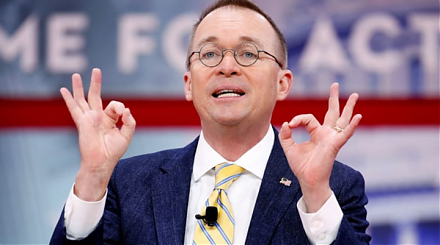
U.S. fiscal budget deficit hits $1 trillion or the highest level in 7 years. The current U.S. Treasury fiscal budget deficit rises from $779 billion to $1.0
2019-03-23 09:31:00 Saturday ET
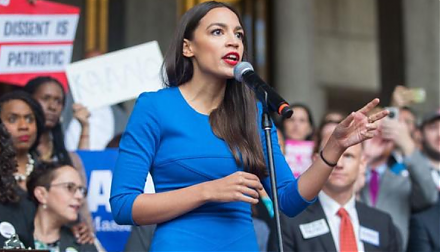
Congresswoman Alexandria Ocasio-Cortez proposes greater public debt finance with minimal tax increases for the Green New Deal. In accordance with the modern
2019-06-09 11:29:00 Sunday ET

St Louis Federal Reserve President James Bullard indicates that his ideal baseline scenario remains a mutually beneficial China-U.S. trade deal. Bullard ind
2021-08-01 07:26:00 Sunday ET

The Biden administration launches economic reforms in fiscal and monetary stimulus, global trade, finance, and technology. President Joe Biden proposes s
2023-03-28 11:30:00 Tuesday ET
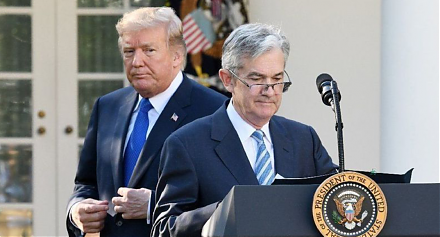
The Federal Reserve System conducts monetary policy decisions, interest rate adjustments, and inter-bank payment operations. Peter Conti-Brown (2017)