AMCON is a leading wholesale distributor of consumer products, including beverages, candy, tobacco, groceries, food service, frozen and chilled foods, and health and beauty care products with distribution centers in Illinois, Missouri, Nebraska, North Dakota and South Dakota. The company operates through two segments: Wholesale Distribution and Retail Health Food. The Wholesale Distribution segment has five distribution centers that distribute the products to approximately 4,000 retailers, such as convenience stores, discount and general merchandise stores, grocery stores and supermarkets, drug stores, and gas stations, as well as serves institutional customers, including restaurants and bars, schools, sports complexes and vendors, and other wholesalers. The Retail Health Food segment operates retail health food stores, which carry natural supplements, groceries, health and beauty care products, and other food items. AMCON Distributing Company is based in Omaha, Nebraska....
+See More2019-04-07 13:39:00 Sunday ET

CNBC news anchor Becky Quick interviews Warren Buffett in early-2019. Buffett explains the fact that book value fluctuations are a metric that has lost rele
2018-06-04 08:38:00 Monday ET
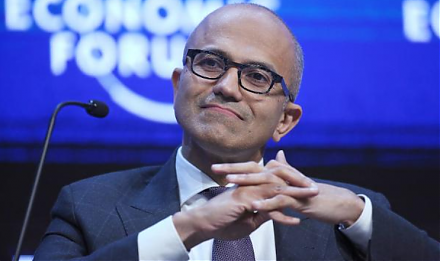
Microsoft acquires GitHub, a software development platform that has been widely shared-and-used by more than 28 million programmers worldwide. GitHub's
2017-03-21 09:37:00 Tuesday ET
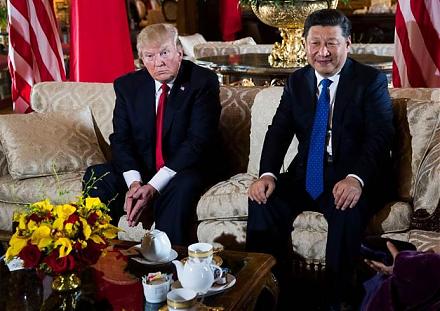
Trump and Xi meet in the most important summit on earth this year. Trump has promised to retaliate against China's currency misalignment, steel trade
2025-07-26 09:26:00 Saturday ET

Nir Eyal and Ryan Hoover explain why keystone habits lead us to purchase products, goods, and services in our lives. The Hooked Model can help shine new lig
2019-11-11 09:36:00 Monday ET
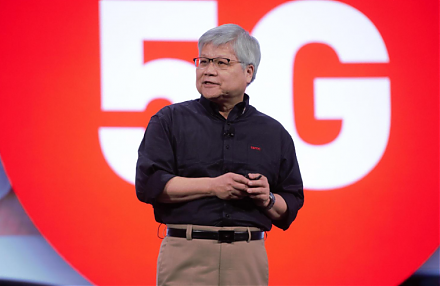
Apple upstream semiconductor chipmaker TSMC boosts capital expenditures to $15 billion with almost 10% revenue growth by December 2019. Due to high global d
2019-07-05 09:32:00 Friday ET

Warwick macroeconomic expert Roger Farmer proposes paying for social welfare programs with no tax hikes. The U.S. government pension and Medicare liabilitie