
Bandwidth operates as a Communications Platform-as-a-Service (CPaaS) provider, offering avant-garde software application programming interfaces for voice and messaging services. It is the only API platform provider that owns a Tier 1 network with enhanced network capacity, primarily catering to business enterprises. It delivers unparalleled network quality and proactively monitors network operations 24/7 to resolve quality issues, capitalizing on an efficient cost structure for seamless connectivity and speed-to-market. Technology companies like Microsoft, Cisco and Google leverages Bandwidth's API to embed voice, messaging and 911 access into software & applications. It has 2 units: CPaaS and Other. CPaaS unit leverages cloud-based software platform for superior communications services to deal the huge demand of Unified-Communications-as-a-Service services and Meeting Solutions. It revenues from voice usage & messaging services. Other unit derives revenues primarily from legacy services & indirect revenues....
+See More2019-11-19 09:33:00 Tuesday ET

American unemployment declines to the 50-year historical low level of 3.5% with moderate job growth. Despite a sharp slowdown in U.S. services and utilities
2018-09-15 11:35:00 Saturday ET

Apple releases its September 2018 trifecta of smart phones or iPhone X sequels: iPhone Xs, iPhone Xs Max, and iPhone XR. Both iPhone Xs and iPhone Xs Max ha
2024-10-27 07:56:01 Sunday ET
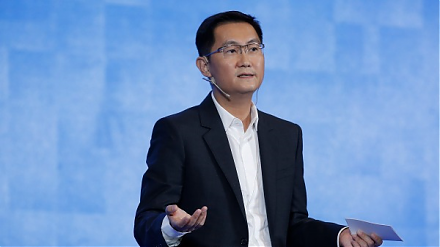
Stock Synopsis: China Internet tech titans continue to grow amid greater competition. We launch our unique coverage of top 25 China Internet stocks. In t
2019-02-15 11:33:00 Friday ET

President Trump is open to extending the March 2019 deadline for raising tariffs on Chinese imports if both sides are close to mutual agreement. These bilat
2019-03-11 10:32:00 Monday ET

Lyft seeks to go public with a dual-class stock ownership structure that allows the co-founders to retain significant influence over the rideshare tech unic
2019-11-15 13:34:00 Friday ET

The Economist offers a special report that the new normal state of economic affairs shines fresh light on the division of labor between central banks and go