
Avianca Holdings S.A., through its subsidiaries, provides passenger and cargo air transportation services in the United States, Central America and the Caribbean, Colombia, rest of South America, and internationally. It operates in two segments, Air Transportation and Loyalty. It also offers aircraft maintenance, crew training, and other airport services to other carriers. In addition, the company is involved in the ground operations for thirdparty airlines and aircraft leasing activities, as well as operates LifeMiles, a frequent flyer program. As of December 31, 2018, it operated a fleet of 190 aircraft, including 148 jet passenger aircraft, 30 turboprop passenger aircraft, and 12 cargo aircraft. The company was formerly known as AviancaTaca Holding S.A. and changed its name to Avianca Holdings S.A. in March 2013. The company was founded in 1919 and is headquartered in Bogotá, Colombia. Avianca Holdings S.A. is a subsidiary of BRW Aviation LLC....
+See More2018-03-06 11:35:00 Tuesday ET
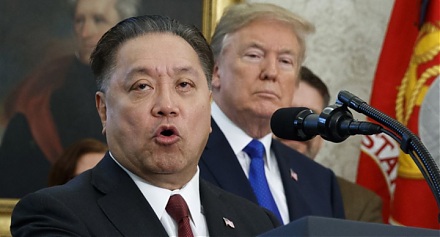
The Trump team blocks Broadcom's bid for Qualcomm due to national economic security concerns and 5G telecom network issues. Broadcom makes microchips fo
2027-11-22 08:26:00 Monday ET

Our AYA fun podcasts deep-dive into the current global trends, topics, and issues in macro finance, political economy, public policy, strategic management,
2018-07-30 11:36:00 Monday ET

Trumpism may now become the new populist world order of economic governance. Populist support contributes to Trump's 2016 presidential election victory
2018-06-02 09:35:00 Saturday ET

The finance ministers of Britain, Canada, France, Germany, Italy, and Japan team up against U.S. President Donald Trump and Treasury Secretary Steven Mnuchi
2019-09-19 15:30:00 Thursday ET
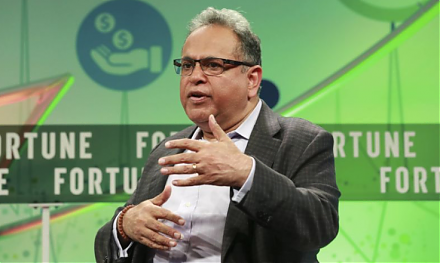
U.S. yield curve inversion can be a sign but not a root cause of the next economic recession. Treasury yield curve inversion helps predict each of the U.S.
2023-06-21 12:32:00 Wednesday ET
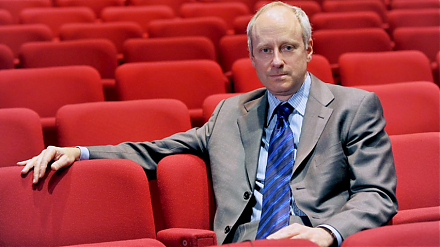
Michael Sandel analyzes what money cannot buy in stark contrast to the free market ideology of capitalism. Michael Sandel (2013) What money