
Ameriprise Financial, Inc. has been operating independently of American Express Company. Ameriprise has 4 business segments. The Advice & Wealth Management segment provides financial planning and advice, as well as full service brokerage and banking services, primarily to retail clients through the company's affiliated financial advisors. The Asset Management segment provides investment advice and investment products to retail, high net worth and institutional clients on a global scale through Columbia Management and Threadneedle Asset Management Holdings S'rl. The Retirement & Protection Solutions segment includes Retirement Solutions (Variable Annuities and Payout Annuities) and Protection Solutions (Life and Disability Insurance). Ameriprise realizes net investment income on corporate level assets from its Corporate & Other segment. This includes excess capital held in RiverSource Life and other unallocated equity and revenues from various investments, as well as unallocated corporate expenses....
+See More2018-08-25 12:33:00 Saturday ET

President Trump warns Google, Facebook, and Twitter that these tech titans now tread on troublesome territory. Specifically, Trump accuses Google of rigging
2019-07-29 11:33:00 Monday ET

Blackrock asset research director Andrew Ang shares his economic insights into fundamental factors for global asset management. As Ang indicates in an inter
2017-08-31 09:36:00 Thursday ET
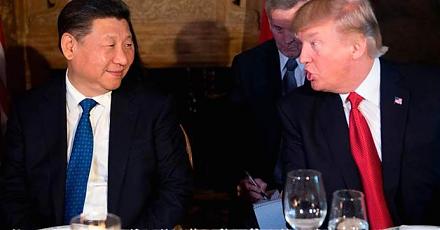
The Trump administration has initiated a new investigation into China's abuse of American intellectual property under Section 301 of the Trade Act of 19
2023-05-31 11:27:00 Wednesday ET

What are the top global risks in trade, finance, and technology? In this macro report, we focus on the current global risks from inflation and growth con
2019-01-11 10:33:00 Friday ET

The Economist Intelligence Unit (EIU) continues to track major business risks in light of volatile stock markets, elections, and geopolitics. EIU monitors g
2019-08-02 17:39:00 Friday ET

The Phillips curve becomes the Phillips cloud with no inexorable trade-off between inflation and unemployment. Stanford finance professor John Cochrane disa