American Financial Group, Inc., a holding company engages primarily in property and casualty insurance, with focus on specialized commercial products for businesses. The company also engages in the sale of traditional fixed, fixed-indexed and variable-indexed annuities in the retail, financial institutions, registered investment advisor and education markets. Property and Casualty Insurance Operations: It comprises insurance businesses offering a wide range of commercial coverage, conducted through Property and Transportation (consisting Inland and Ocean Marine, Agricultural-related and Commercial Automobile), Specialty Casualty and Specialty Financial. Its subsidiaries are, Great American Insurance, National Interstate, Summit (Bridgefield Casualty and Bridgefield Employers), Republic Indemnity, Neon Lloyd's Syndicate and Mid-Continent Casualty. Other Operations: These operations include commercial real estate operations in Cincinnati, Whitefield, New Hampshire, Chesapeake Bay, Charleston and Palm Beach....
+See More2017-12-11 08:42:00 Monday ET
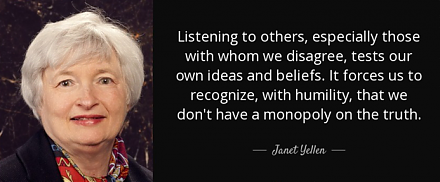
Fed Chair Janet Yellen says the current high stock market valuation does not mean overvaluation. A stock market quick fire sale would pose minimal risk to t
2017-11-17 09:42:00 Friday ET
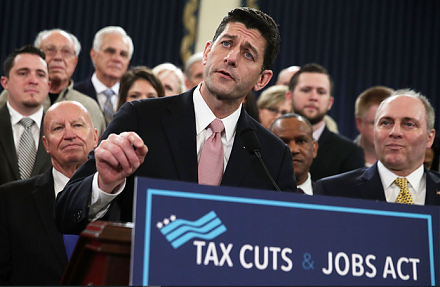
The Trump administration garners congressional support from both Senate and the House of Representatives to pass the $1.5 trillion tax overhaul (Tax Cuts &a
2020-11-17 08:27:00 Tuesday ET

Management consultants can build sustainable trust-driven client relations through the accelerant curve of business value creation. Alan Weiss (2016)
2017-02-13 09:35:00 Monday ET

JPMorgan Chase CEO Jamie Dimon says President Trump has now awaken the *animal spirits* in the U.S. stock market. The key phrase, animal spirits, is the
2018-11-21 11:36:00 Wednesday ET
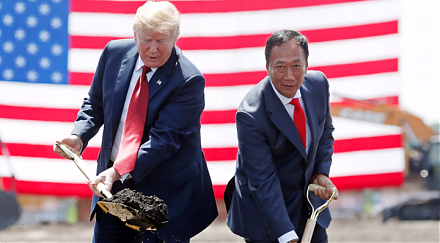
Apple upstream suppliers from Foxconn and Pegatron to Radiance and Lumentum experience sharp share price declines during the Christmas 2017 holiday quarter.
2025-10-05 17:31:00 Sunday ET

Stock Synopsis: With a new Python program, we use, adapt, apply, and leverage each of the mainstream Gemini Gen AI models to conduct this comprehensive fund