
Aerie Pharmaceuticals is a commercial-stage company focused on the development and commercialization of eye disease therapies including glaucoma and other eye-diseases.'In 2017, Aerie received FDA approval for its lead drug, Rhopressa, for the lowering of elevated intraocular pressure (IOP) in patients with open-angle glaucoma or ocular hypertension. Rhopressa is a once-daily formulation for IOP in patients suffering from open-angle glaucoma and ocular hypertension. The FDA also approved Rocklatan, a once-daily, quadruple action fixed-dose combination of Rhopressa and Xalatan. Glaucoma is one of the largest segments in the global ophthalmic market.'In addition, the company is developing sustained-release implants focused on retinal indications. These include AR-13503 (Rho kinase and Protein kinase C inhibitor implant) for macular edema due to retinal vein occlusion(RVO) and AR-1105 (dexamethasone steroid implant) for wet age-related macular degeneration (wet AMD) and diabetic macular edema (DME).'...
+See More2017-04-13 10:42:00 Thursday ET

President Donald Trump unveils the dramatic *tax overhaul proposal*. Through this tax plan, Trump replaces the current 7 income tax brackets with 3 leane
2020-09-03 10:26:00 Thursday ET

Agile business firms beat the odds by building faster institutional reflexes to anticipate plausible economic scenarios. Christopher Worley, Thomas Willi
2017-06-09 06:37:00 Friday ET
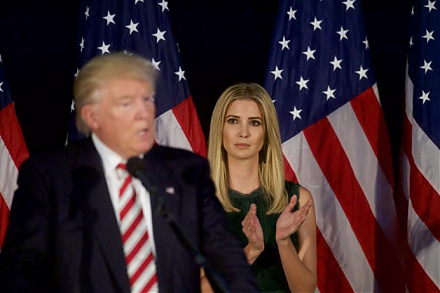
To complement President Trump's pro-business economic policies such as low taxation, new infrastructure, greater job creation, and technological in
2018-10-15 09:33:00 Monday ET

Several pharmaceutical companies now switch their primary focus from generic prescription drugs to medical specialties such as cardiovascular medications an
2021-07-07 05:22:00 Wednesday ET

What are the best online stock market investment tools? Stock trading has seen an explosion since the start of the pandemic. As people lost their jobs an
2023-02-28 11:30:00 Tuesday ET

The Biden Inflation Reduction Act is central to modern world capitalism. As of 2022-2023, global inflation has gradually declined from the peak of 9.8% d