
Home > Library > Asset pricing theory and empirical corporate finance
Author Andy Yeh Alpha
This ebook surveys most contemporary topics and issues in modern asset pricing model design and empirical corporate finance. The former focuses on fresh empirical asset pricing tests (e.g. Fama-French factor models), asset pricing models with Epstein-Zin recursive investor preferences, behavioral stock return momentum patterns, and supplementary asset pricing model review notes. The latter delves into many topics in empirical corporate finance such as capital structure, corporate ownership and governance, corporate investment, corporate innovation, net equity issuance, corporate diversification, cash management, corporate payout, and so forth. These surveys and annotations are useful and convenient for the typical graduate student who specializes in modern finance.
macrofinance asset return prediction fama-french capital equity premium puzzle john cochrane corporate finance peter demarzo epstein-zin behavioral finance size value momentum capital structure capital investment corporate ownership and governance corporate innovation cash management corporate payout net equity issuance corporate diversification
Description:
This ebook surveys most contemporary topics and issues in modern asset pricing model design and empirical corporate finance. The former focuses on fresh empirical asset pricing tests (e.g. Fama-French factor models), asset pricing models with Epstein-Zin recursive investor preferences, behavioral stock return momentum patterns, and supplementary asset pricing model review notes. The latter delves into many topics in empirical corporate finance such as capital structure, corporate ownership and governance, corporate investment, corporate innovation, net equity issuance, corporate diversification, cash management, corporate payout, and so forth. These surveys and annotations are useful and convenient for the typical graduate student who specializes in modern finance.
This analytic ebook cannot constitute any form of financial advice, analyst opinion, recommendation, or endorsement. We refrain from engaging in financial advisory services, and we seek to offer our analytic insights into the latest economic trends, stock market topics, investment memes, and other financial issues. Our proprietary alpha investment algorithmic system helps enrich our AYA fintech network platform as a new social community for stock market investors: https://ayafintech.network.
We share and circulate these informative posts and essays with hyperlinks through our blogs, podcasts, emails, social media channels, and patent specifications. Our goal is to help promote better financial literacy, inclusion, and freedom of the global general public. While we make a conscious effort to optimize our global reach, this optimization retains our current focus on the American stock market.
This ebook shares new economic insights, investment memes, and stock portfolio strategies through both blog posts and patent specifications on our AYA fintech network platform. AYA fintech network platform is every investor's social toolkit for profitable investment management. We can help empower stock market investors through technology, education, and social integration.
2018-11-05 10:40:00 Monday ET

Former Fed Chair Janet Yellen worries about U.S. government debt accumulation, expects new interest rate increases, and warns of the next economic recession
2017-10-09 09:34:00 Monday ET
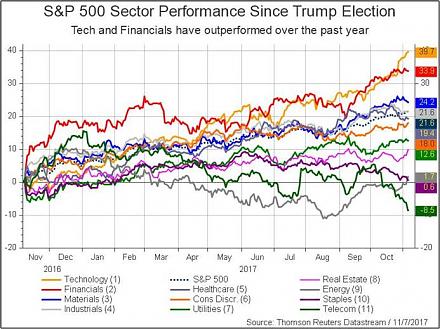
The current Trump stock market rally has been impressive from November 2016 to October 2017. S&P 500 has risen by 21.1% since the 2016 presidential elec
2020-07-12 08:30:00 Sunday ET

The lean CEO encourages iterative continuous improvements and collaborative teams to innovate around core value streams. Jacob Stoller (2015)
2019-04-15 08:37:00 Monday ET

Chinese Belt-and-Road funds large international infrastructure investment projects primarily in East Asia, Central Asia, North Africa, and Italy. Chinese Be
2018-02-07 06:38:00 Wednesday ET

The new Fed chairman Jerome Powell faces a new challenge in the form of both core CPI and CPI inflation rate hikes toward 1.8%-2.1% year-over-year with stro
2017-08-19 14:43:00 Saturday ET

In a recent tweet, President Donald Trump criticizes Amazon over taxes and jobs. Without providing specific evidence, Trump accuses of the e-commerce retail