
Home > Library > Key motifs in the merry medley of Trump economic reform 2016-2020
Author Andy Yeh Alpha
This ebook offers the key motifs in the merry medley of Trump economic reform 2016-2020: (1) Federal Reserve monetary policy decisions and interest rate adjustments in response to inflationary fluctuations, economic output gyrations, as well as technological advances such as artificial intelligence and robotic automation; (2) Fiscal stimulus with massive tax cuts and national debt and deficit stockpiles; (3) Deregulatory reforms on capital adequacy rules, leverage limits, macro-prudential stress tests, liquidity requirements, and deposit insurance constraints; (4) Bilateral trade engagements (e.g. Sino-U.S. trade negotiations and steel-and-aluminum tariffs on Canada, Europe, and Mexico etc); (5) Oil price gyrations due to global supply reductions by Saudi Arabia and United Arab Emirates as well as draconian economic sanctions on nuclear nations such as Iran and North Korea; (6) Social safety nets such as infrastructure overhaul, health care, higher education, and residential property development etc; (7) Personal finance guidelines and recommendations from Warren Buffett stock market investment principles to rich habits, frugal lifestyles, and self-help life inspirations. We share and circulate these informative posts and essays with hyperlinks through our blogs, podcasts, emails, social media channels, and patent specifications. Our goal is to help promote better financial literacy, inclusion, and freedom of the global general public. While we make a conscious effort to optimize our global reach, this optimization retains our current focus on the American stock market. This ebook shares new economic insights, investment memes, and stock portfolio strategies through both blog posts and patent specifications on our AYA fintech network platform. AYA fintech network platform is every investor's social toolkit for profitable investment management. We can help empower stock market investors through technology, education, and social integration.
Description:
This ebook offers the key motifs in the merry medley of Trump economic reform 2016-2020:
(1) Federal Reserve monetary policy decisions and interest rate adjustments in response to inflationary fluctuations, economic output gyrations, as well as technological advances such as artificial intelligence and robotic automation;
(2) Fiscal stimulus with massive tax cuts and national debt and deficit stockpiles;
(3) Deregulatory reforms on capital adequacy rules, leverage limits, macro-prudential stress tests, liquidity requirements, and deposit insurance constraints;
(4) Bilateral trade engagements (e.g. Sino-U.S. trade negotiations and steel-and-aluminum tariffs on Canada, Europe, and Mexico etc);
(5) Oil price gyrations due to global supply reductions by Saudi Arabia and United Arab Emirates as well as draconian economic sanctions on nuclear nations such as Iran and North Korea;
(6) Social safety nets such as infrastructure overhaul, health care, higher education, and residential property development etc;
(7) Personal finance guidelines and recommendations from Warren Buffett stock market investment principles to rich habits, frugal lifestyles, and self-help life inspirations.
We share and circulate these informative posts and essays with hyperlinks through our blogs, podcasts, emails, social media channels, and patent specifications. Our goal is to help promote better financial literacy, inclusion, and freedom of the global general public. While we make a conscious effort to optimize our global reach, this optimization retains our current focus on the American stock market.
This ebook shares new economic insights, investment memes, and stock portfolio strategies through both blog posts and patent specifications on our AYA fintech network platform. AYA fintech network platform is every investor's social toolkit for profitable investment management. We can help empower stock market investors through technology, education, and social integration.
2018-05-27 08:33:00 Sunday ET

The Federal Reserve proposes softening the Volcker rule that prevents banks from placing risky bets on securities with deposit finance. As part of the po
2019-11-23 08:33:00 Saturday ET
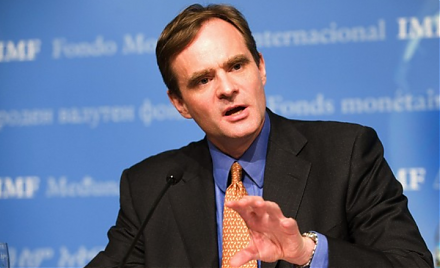
MIT financial economist Simon Johnson rethinks capitalism with better key market incentives. Johnson refers to the recent Business Roundtable CEO statement
2018-03-19 10:37:00 Monday ET
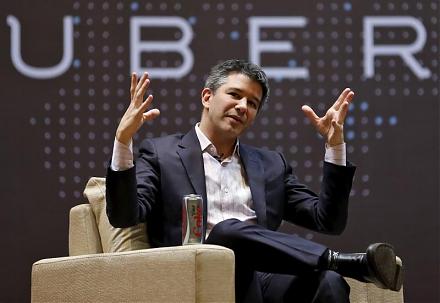
Uber's autonomous car causes the first known pedestrian fatality from a driverless vehicle and thus sets off the alarm bell for artificial intelligence.
2020-10-20 09:36:00 Tuesday ET

Agile lean enterprises remain flexible and capable of reinvention in light of new megatrends such as digitization and servitization. Shane Cragun and Kat
2020-10-27 07:43:00 Tuesday ET

Most agile lean enterprises often choose to cut costs strategically to make their respective business models fit for growth. Vinay Couto, John Plansky,
2020-10-13 08:27:00 Tuesday ET

Agile lean enterprises strive to design radical business models to remain competitive in the face of nimble startups and megatrends. Carsten Linz, Gunter