
2016-10-01 00:00:00 Sat ET
trust perseverance resilience empathy compassion passion purpose vision mission life metaphors seamless integration critical success factors personal finance entrepreneur inspiration grit
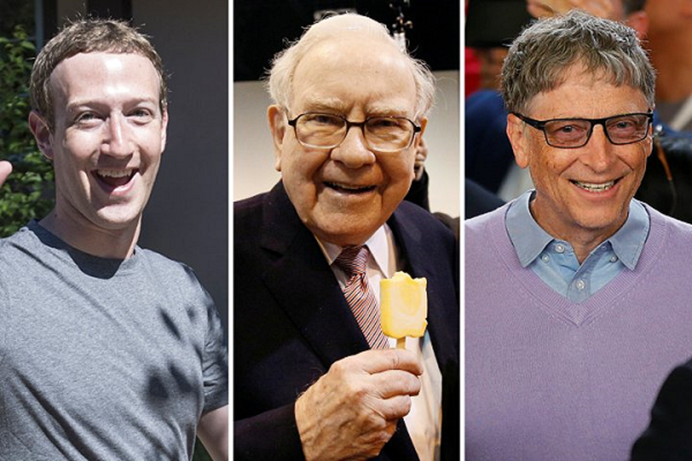
We can learn much from the frugal habits and lifestyles of several billionaires on earth.
Warren Buffett, Chairman and CEO of Berkshire Hathaway, still lives in the same home that he bought for $31,500 in 1958.
Mark Zuckerberg, CEO and Founder of Facebook, now still drives a manual-transmission Volkswagen hatchback almost on a daily basis.
Adorning Bill Gates's wrist is a $10 watch, and Gates likes to wash the dishes at home every night for his family.
Carlos Slim Helú, Founder of Grupo Carso, has lived in the same six-bedroom house for more than 40 years.
Charlie Ergen, Chairman of Dish Network, still packs a brown-bag lunch everyday.
Amancio Ortega, Founder of Inditex, eats lunch with his employees in the Zara headquarters cafeteria.
Ingvar Kamprad, Founder of IKEA, still flies economy-class and often rides the bus.
Azim Premji, Chairman of Wipro, drives second-hand cars and often reminds employees to turn off the lights at the office.
Judy Faulkner, Founder of Epic Systems, confesses that she has never been interested in living a lavish life.
We can learn a great deal from these investors by choosing to lead a productive lifestyle with reasonably frugal habits and choices.
If any of our AYA Analytica financial health memos (FHM), blog posts, ebooks, newsletters, and notifications etc, or any other form of online content curation, involves potential copyright concerns, please feel free to contact us at service@ayafintech.network so that we can remove relevant content in response to any such request within a reasonable time frame.
2019-01-05 11:39:00 Saturday ET

Reuters polls show that most Americans blame President Trump for the recent U.S. government shutdown. President Trump remains adamant about having to shut d
2020-02-12 09:31:00 Wednesday ET

Mark Zuckerberg develops Facebook as a social network platform to help empower global connections among family and friends. David Kirkpatrick (2011) T
2018-05-05 07:33:00 Saturday ET
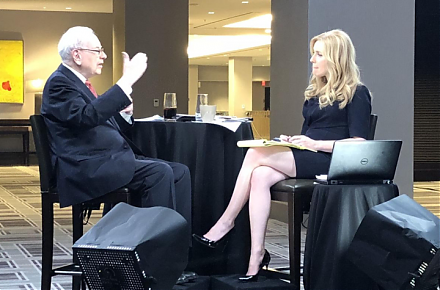
Warren Buffett shares his fresh economic insights and value investment strategies at the Berkshire Hathaway shareholder forum in May 2018 despite the new GA
2018-12-21 11:39:00 Friday ET
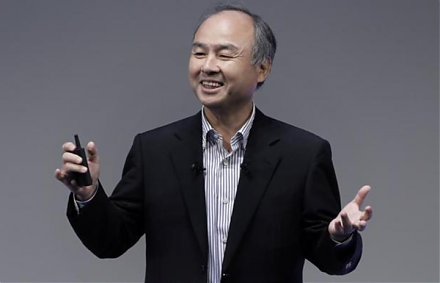
The Internet and telecom conglomerate SoftBank Group raises $23 billion in the biggest IPO in Japan. Going public is part of the major corporate move away f
2019-07-11 10:48:00 Thursday ET
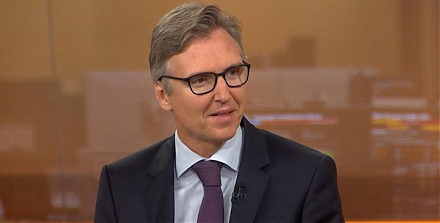
France and Germany are the biggest beneficiaries of Sino-U.S. trade escalation, whereas, Japan, South Korea, and Taiwan suffer from the current trade stando
2018-06-10 19:41:00 Sunday ET
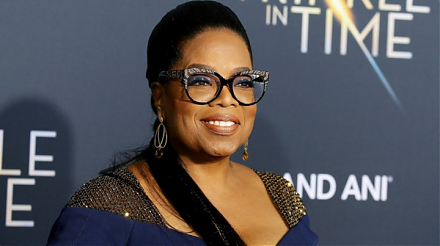
Apple enters a multi-year content partnership with Oprah Winfrey to provide new original online video and TV programs in direct competition with Netflix, Am